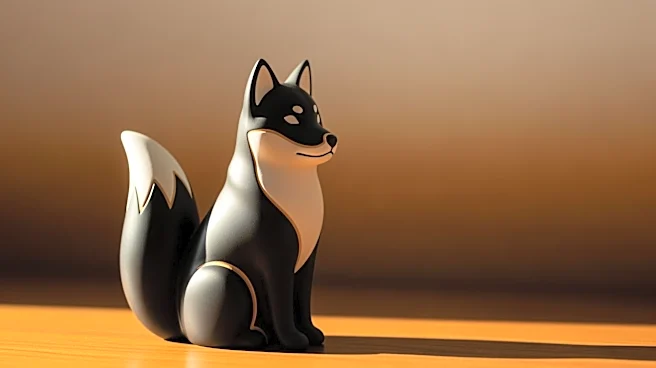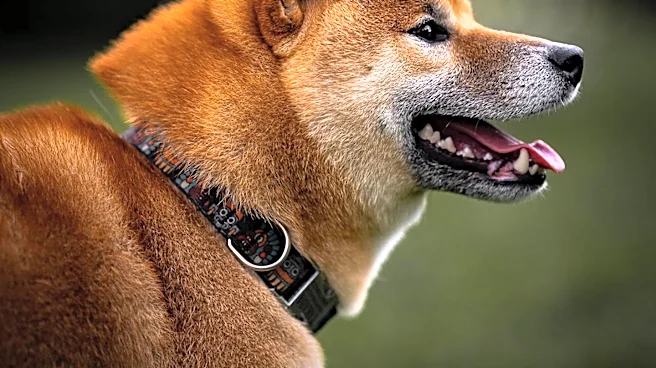

The Shiba Inu is a breed that has captured the hearts of many with its foxlike appearance and spirited personality. Originating from Japan, this small hunting dog has a rich history that dates back centuries.
As the smallest of Japan's native dog breeds, the Shiba Inu has survived near extinction and evolved through various historical milestones. This article delves into the fascinating timeline of the Shiba Inu, highlighting key events that have shaped its existence.
Early Origins and Development
The Shiba Inu's roots can be traced back to ancient Japan, where it was bred for hunting small game such as birds and rabbits. The breed thrived in the mountainous regions of the Chūbu area, adapting to the rugged terrain with its agility and alertness. During the Meiji Restoration, the introduction of Western dog breeds led to crossbreeding, which threatened the purity of the Shiba Inu. By the early 20th century, efforts to preserve the breed began, as hunters and intellectuals recognized the importance of maintaining the Shiba's distinct characteristics.
In 1934, the first Japanese breed standard for the Shiba Inu was published, marking a significant step in formalizing the breed's characteristics. Two years later, the Shiba Inu was declared a Natural Monument of Japan, thanks to the efforts of Nippo, the Association for the Preservation of the Japanese Dog. This recognition helped solidify the breed's status and ensured its protection.
Challenges and Preservation Efforts
Despite its recognition, the Shiba Inu faced numerous challenges that threatened its survival. World War II brought about food shortages, and outbreaks of distemper in the 1950s and 60s further decimated the population. The Great Tottori Fire also hindered preservation efforts, leaving only three surviving bloodlines: the Shinshu Shiba, Mino Shiba, and San'in Shiba.
These bloodlines were crucial in rebuilding the breed, each contributing unique traits to the modern Shiba Inu. The Shinshu Shiba was known for its solid undercoat and red color, while the Mino Shiba had thick, prick ears and a sickle tail. The San'in Shiba was larger and predominantly black, lacking the tan and white accents seen in today's Shibas.
Global Recognition and Popularity
The Shiba Inu's journey to global recognition began in 1954 when a military family brought the first Shiba Inu to the United States. The breed's popularity grew, and in 1992, the American Kennel Club recognized the Shiba Inu, adding it to the Non-Sporting Group the following year. Today, the Shiba Inu is cherished as a companion dog in Japan and around the world.
In Japan, the Shiba Inu remains the number one companion dog, while in the United States, it ranks 42nd in registrations with the American Kennel Club. The breed's resilience and adaptability have ensured its place in the hearts of dog lovers everywhere, making the Shiba Inu a true testament to the enduring bond between humans and dogs.