

Enfleurage is a traditional method of fragrance extraction that dates back to the 17th and 18th centuries. Developed in the French city of Grasse, this technique uses fats to capture the delicate scents of flowers, preserving their aromatic compounds for use in perfumery. Despite being largely replaced by more efficient methods, enfleurage remains a significant part of fragrance history.
The Process of Enfleurage
Enfleurage involves using odorless fats that are solid at room
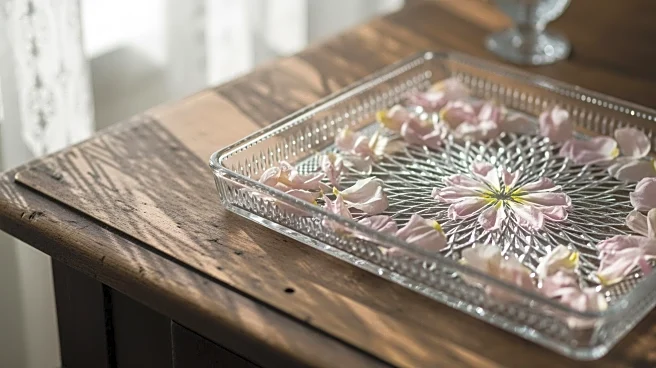
temperature to absorb the volatile oils produced by plants. There are two types of enfleurage: cold and hot. Cold enfleurage uses a glass plate smeared with animal fat, such as lard or tallow, on which botanical matter like petals or whole flowers is placed. The scent diffuses into the fat over several days, and the process is repeated with fresh botanicals until the fat is saturated.
Hot enfleurage, on the other hand, involves heating solid fats and stirring botanical matter into them. The spent botanicals are strained out and replaced with fresh ones until the fat is fully saturated with fragrance. Once the fat is saturated, it is known as the enfleurage pomade, which can be sold directly or further processed with ethyl alcohol to extract the fragrant molecules.
Historical Significance
Enfleurage was developed in southern France during the 18th century, a time when the perfume industry was flourishing. The method was particularly useful for extracting fragrances from delicate flowers like jasmine and tuberose, which would be destroyed by the high temperatures required in other extraction methods such as steam distillation.
The technique was essential for producing high-grade concentrates and played a crucial role in the development of the perfume craft in Grasse, which became known as the perfume capital of the world. Although enfleurage is now largely superseded by solvent extraction and supercritical fluid extraction, its historical significance remains.
Modern Alternatives and Legacy
Today, more efficient techniques like solvent extraction and supercritical fluid extraction using compressed gases have replaced enfleurage. These methods are less costly and more effective in capturing fragrances without the inefficiencies associated with enfleurage.
Despite its decline in use, enfleurage's legacy continues to influence the fragrance industry. It represents a time when craftsmanship and patience were integral to the art of perfumery, and its historical importance is still recognized by perfumers and fragrance enthusiasts around the world.