
The bent-over row is a fundamental exercise in weight training, known for its ability to strengthen the back muscles. However, mastering the technique and ensuring safety are crucial to maximizing its benefits
and minimizing the risk of injury. This article delves into the proper techniques and safety tips for performing the bent-over row effectively.
Proper Techniques for the Bent-Over Row
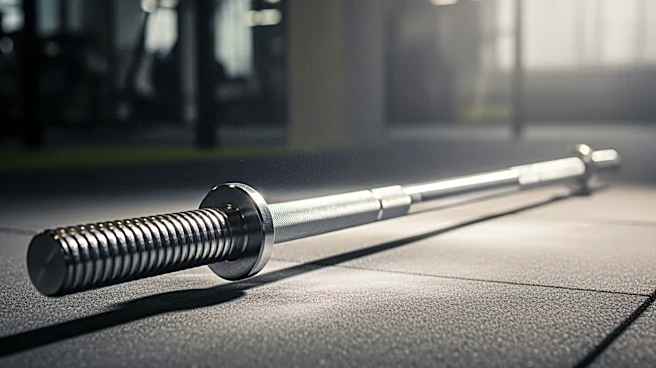
Executing the bent-over row with proper technique is essential for targeting the intended muscles and avoiding strain. The two-arm barbell bent-over row is a common variation where the lifter bends forward, keeping the back straight, and lifts the barbell to the stomach. A pronated grip is typically used, which helps engage the back muscles effectively.For those who prefer using dumbbells, the two-arm dumbbell bent-over row offers a similar movement pattern but allows for greater flexibility in the range of motion. The Pendlay row, another variation, requires the back to be parallel to the ground, lifting the barbell from the floor. This form can be enhanced by standing on an elevated surface to achieve a better stretch.
Safety Tips for the Bent-Over Row
Safety is a top priority when performing the bent-over row. Maintaining a stable form and alignment is crucial to prevent injuries. Beginners are advised to start with lower weights to build endurance in the lower back and upper pulling muscles. Keeping the abs tense supports the back, likely involving the contraction of the transversus abdominis.Allowing a bend in the knees lowers the center of gravity, making it easier to pick up and set down the weight. This position also reduces the stretch in the hamstrings, promoting a safer lift. Maintaining a slight arch in the spine is important for a healthy lower back, preventing excessive rounding that could lead to injury.
Avoiding Common Mistakes
Performing the bent-over row with a slow tempo and avoiding jerking movements is essential for maintaining proper form. This approach allows for stricter attention to deviations throughout the lift, keeping the hips and spine stable. It also prevents momentum from creating slack in the muscles during the ascent or causing a jerking catch at the bottom of the lift.Supervision by an experienced lifter can be beneficial for beginners who may not be aware of unsafe postures. By focusing on proper technique and safety measures, individuals can effectively incorporate the bent-over row into their workout routine, reaping its full benefits while minimizing the risk of injury.