





Clay is a fascinating material with unique properties that have made it indispensable in numerous applications. Its fine-grained structure and mineral composition give it characteristics that are both practical and intriguing. This article explores the scientific aspects of clay, shedding light on why it is such a valuable resource.
Composition and Structure of Clay
Clay is primarily composed of hydrous aluminum phyllosilicates, such as kaolinite. These minerals are arranged in tiny,
thin plates bonded by interconnecting oxygen and hydroxide ions. This structure gives clay its plasticity when wet, allowing it to be easily molded into various shapes. The plates are tough yet flexible, adhering to each other in moist conditions, which provides the cohesion necessary for molding.
The high surface area of clay particles, combined with their negative electrical charge, allows them to attract and hold onto positive ions, such as sodium, potassium, and calcium. This ion-exchange capacity is crucial for soil fertility, as it enables clay to retain essential nutrients for plant growth.
Mechanical Properties of Clay
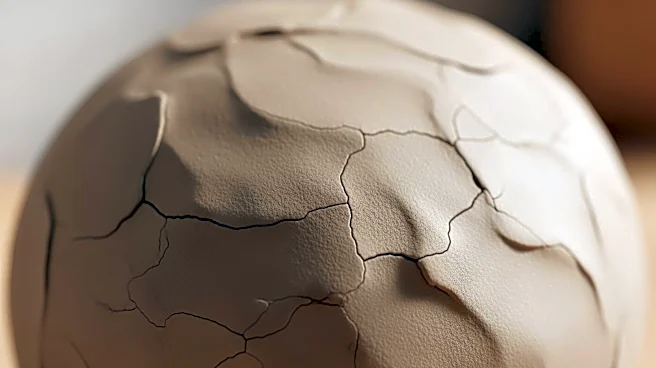
One of the defining mechanical properties of clay is its ability to harden when dried or fired. The plastic limit of kaolinite clay ranges from about 36% to 40%, while its liquid limit ranges from about 58% to 72%. These limits define the range of water content within which clay remains highly plastic. When clay is dried, the water molecules are removed, and the plates form direct hydrogen bonds, making the material rigid yet fragile.
Firing clay at high temperatures causes a dehydration reaction, leading to stronger covalent bonding between the plates. This process transforms clay into a more durable material, such as metakaolin, which remains hard even when moistened again. Further firing can recrystallize the material into even stronger minerals like mullite, used in high-strength ceramics.
Environmental and Industrial Applications
Clay's unique properties make it suitable for various environmental and industrial applications. Its impermeability to water is utilized in pond linings and landfill barriers, preventing toxic seepage. The absorption capacity of clay is also explored in removing heavy metals from wastewater and purifying air.
In agriculture, clay's ability to retain nutrients makes it a valuable component of fertile soils. Although clay soils require careful management due to poor drainage, their high cation-exchange capacity supports plant growth and productivity.
The scientific properties of clay continue to be a subject of study and innovation, ensuring its relevance in both traditional and modern applications. Its versatility and adaptability make it a material of enduring importance.