







Aquarium filters come in various types, each designed to meet specific needs and preferences of aquarists. Understanding the differences between these filters can help in selecting the right one for your aquarium. This article provides an overview of the most common types of aquarium filters and their uses.
Power Filters: Versatile and Popular
Power filters, also known as hang-on-back (HOB) filters, are among the most popular types of aquarium filters. They are impeller-powered and work
by removing water from the aquarium, passing it through a series of filter media, and returning it to the tank. These filters are versatile and suitable for a wide range of tank sizes.
One of the advantages of power filters is their ease of maintenance. They sit on the outside of the tank, allowing for easy cleaning without disturbing the aquarium's inhabitants. However, they can be noisy due to vibrations and may not be ideal for smaller tanks, as they can create excessive water flow.
Canister Filters: High Capacity and Flexibility
Canister filters are external filters that offer a greater capacity for filter media compared to power filters. They are ideal for larger aquariums and provide a high degree of flexibility in terms of filter material choice. Water is drawn into the canister, passes through the filter media, and is then returned to the aquarium.
These filters are sealed systems, meaning they form a continuous body of water with the aquarium. This design allows for efficient water circulation without the need for the pump to lift water back to the tank. While canister filters are effective, they can be more expensive and complex to maintain compared to other types.
Sponge and Internal Filters: Ideal for Small Tanks
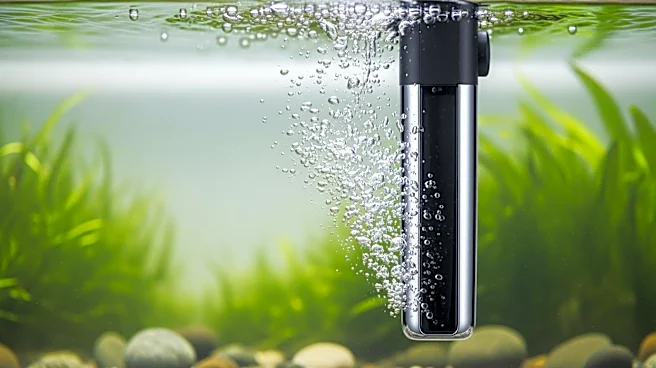
Sponge filters and other internal filters are commonly used in smaller aquariums. They work by using air displacement to create water flow, drawing water through a sponge that provides both mechanical and biological filtration. These filters are particularly useful for breeding tanks, as the sponge prevents small fish from being sucked into the filter.
Internal filters are easy to install and maintain, making them a popular choice for beginners. However, they may not be suitable for heavily stocked tanks, as their filtration capacity is limited compared to larger external filters.
In conclusion, choosing the right aquarium filter depends on the specific needs of your tank. Whether you opt for a power filter, canister filter, or sponge filter, each type offers unique benefits and challenges. Understanding these differences can help you maintain a healthy and thriving aquarium environment.