
The COVID-19 pandemic had a profound economic impact on New York City, affecting various sectors and leading to significant financial challenges. As the virus spread, the city implemented measures to control
the outbreak, which in turn had far-reaching economic consequences. This article explores the economic impact of the pandemic on New York City.
Job Losses and Unemployment
The pandemic led to widespread job losses in New York City, particularly in sectors like retail, transportation, and hospitality. By April 2020, hundreds of thousands of New Yorkers were out of work, with the unemployment rate reaching 16.3% by August. This was nearly double the national rate, highlighting the severe impact on the city's workforce.
Low-income jobs were especially affected, with many workers in the service industry facing layoffs or reduced hours. The loss of income for these workers had a ripple effect on the city's economy, as consumer spending declined and businesses struggled to stay afloat.
Business Closures and Real Estate
The pandemic also led to numerous business closures in New York City. Many stores and restaurants, unable to sustain operations during the lockdown, closed permanently. Notable closures included iconic establishments like Record Mart and several Michelin-starred restaurants.
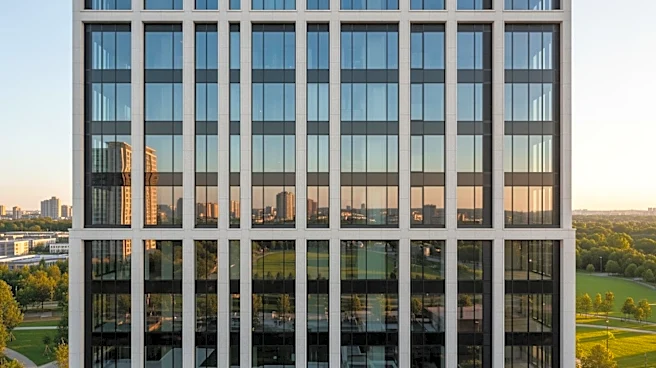
The real estate market was not immune to the pandemic's effects. Residential and commercial rents in Manhattan declined by more than 10%, and vacancies surged. The drop in demand for office space, as many companies shifted to remote work, further impacted the commercial real estate sector.
Government Response and Recovery Efforts
In response to the economic challenges, the New York City government implemented various measures to support businesses and workers. The city launched programs to provide financial assistance to small businesses and offered resources for job seekers. Additionally, the federal CARES Act provided unemployment benefits and stimulus payments to help alleviate financial strain.
As the city began to reopen, efforts were made to revitalize the economy. The Open Restaurants program allowed eateries to expand outdoor dining, providing a lifeline for many struggling businesses. The city also focused on attracting tourists back, as tourism is a significant contributor to the local economy.
Despite these efforts, the road to economic recovery has been challenging. The pandemic's long-term impact on New York City's economy remains uncertain, with ongoing debates about the future of remote work and its implications for the city's commercial real estate market. As the city continues to navigate these challenges, resilience and adaptation will be key to rebuilding a thriving economy.