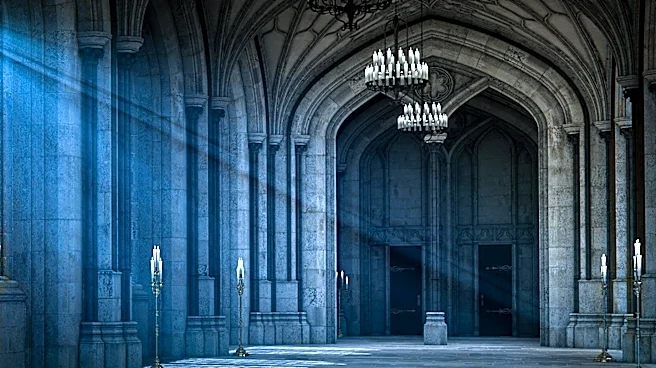









Architecture has always been a central element in Gothic fiction, serving as more than just a backdrop for the eerie tales that unfold within its walls. The use of Gothic Revival architecture, with its medieval and often foreboding structures, plays a crucial role in setting the tone and themes of Gothic fiction. This article delves into how architecture influences the narrative and emotional impact of Gothic stories, from the haunted castles of the 18th
century to the urban landscapes of modern Gothic tales.
Gothic Revival and Its Influence
The Gothic Revival movement, which began in the late 18th century, sought to revive medieval architectural styles, characterized by pointed arches, ribbed vaults, and flying buttresses. This architectural style became synonymous with Gothic fiction, as authors used these imposing structures to evoke a sense of fear and mystery. The architecture itself often mirrored the themes of decay and the supernatural, with crumbling castles and abandoned monasteries serving as physical manifestations of the characters' inner turmoil and the transience of human endeavors.
In Horace Walpole's *The Castle of Otranto*, the architecture is integral to the story, with the castle's labyrinthine corridors and hidden passages reflecting the secrets and dark history of its inhabitants. Similarly, in Ann Radcliffe's works, the settings are meticulously described, with the architecture enhancing the atmosphere of suspense and dread.
Architecture as a Metaphor
In Gothic fiction, architecture often serves as a metaphor for the characters' psychological states and the societal issues they face. The imposing structures can symbolize the oppressive nature of societal norms or the weight of family secrets. In Mary Shelley's *Frankenstein*, the stark and isolated settings reflect the protagonist's alienation and the consequences of his hubris.
The use of architecture as a metaphor extends to the urban Gothic subgenre, where the city itself becomes a character. In Robert Louis Stevenson's *Strange Case of Dr Jekyll and Mr Hyde*, the foggy streets of London mirror the duality of the protagonist's nature and the hidden darkness within society. This use of urban settings allows authors to explore contemporary themes of alienation and identity in a rapidly changing world.
Modern Gothic and Architectural Evolution
As Gothic fiction has evolved, so too has its use of architecture. Modern Gothic tales often incorporate elements of industrial and post-industrial architecture, reflecting the anxieties of contemporary society. The decaying factories and abandoned buildings of urban Gothic stories serve as reminders of the past's intrusion into the present, a recurring theme in the genre.
In film and graphic novels, architecture continues to play a vital role in creating the mood and atmosphere of Gothic stories. The visual impact of these settings enhances the narrative, drawing audiences into a world where the boundaries between reality and the supernatural blur. As Gothic fiction continues to captivate audiences, the role of architecture remains a key element in its enduring appeal.