


Pinocchio, released in 1940, stands as a testament to the innovative spirit of Walt Disney and his team. This animated musical fantasy film, based on Carlo Collodi's 1883 novel, was a groundbreaking achievement in animation. The film's production involved a meticulous process that pushed the boundaries of what was possible in animated filmmaking at the time.
The Vision Behind Pinocchio
The journey to bring Pinocchio to life began during the production of Disney's first animated
feature, Snow White and the Seven Dwarfs. Animator Norman Ferguson introduced Walt Disney to Collodi's novel, sparking Disney's enthusiasm for the project. Initially, the story was intended to be the studio's third feature, following Bambi. However, due to challenges in adapting Bambi, Pinocchio was moved ahead in production.
Disney's vision for Pinocchio was ambitious. He wanted to create a film that not only entertained but also showcased the potential of animation as an art form. The story underwent significant changes from the original novel, with Disney and his team working to make Pinocchio a more sympathetic character. This involved redesigning the character to appear more like a real boy, with a child's hat and gloves, while retaining some puppet-like features.
Innovations in Animation
Pinocchio was a pioneering film in the realm of effects animation. The film's animators, led by Joshua Meador, created realistic movements for vehicles, machinery, and natural elements like rain, water, and smoke. This level of detail was unprecedented and set a new standard for animated films.
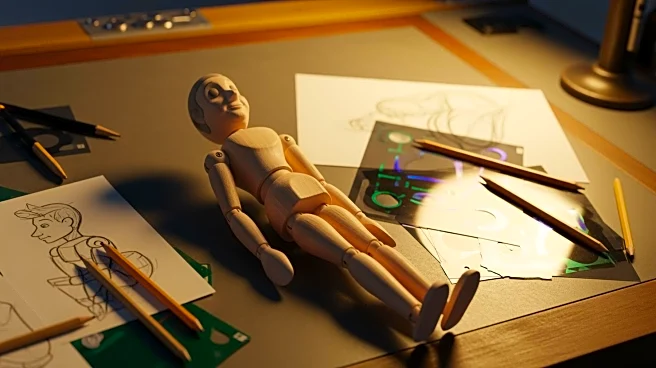
The animation process was complex and required the development of new techniques. For instance, the character model department built three-dimensional clay models of the characters, known as maquettes, to help animators understand how to draw them from different angles. This approach allowed for more dynamic and lifelike character movements.
Additionally, the film utilized live-action footage as a reference for animators. This footage helped animators capture natural human movements, which they then exaggerated slightly to fit the animated medium. These innovations contributed to the film's reputation as one of the finest examples of animation.
The Legacy of Pinocchio
Despite its initial commercial failure, Pinocchio eventually became a beloved classic. Its influence on the animation industry is undeniable, with its groundbreaking techniques paving the way for future animated films. The film's success in later re-releases and its addition to the United States National Film Registry underscore its cultural and historical significance.
Pinocchio's legacy continues to be felt today, with its characters and themes remaining prevalent in popular culture. The film's impact on animation is a testament to the creativity and dedication of Walt Disney and his team, who transformed a simple wooden puppet into a timeless icon.