



The term "vegetable" can be understood in different ways depending on the context. Botanically, it refers to any edible part of a plant, while in culinary terms, it often excludes certain plant parts like fruits and seeds. This article explores the distinctions between these definitions and how they impact our understanding of vegetables.
Botanical Definition of Vegetables
In botanical terms, a vegetable encompasses any edible part of a plant, including roots, stems, leaves, flowers,
fruits, and seeds. This broad definition means that many foods commonly thought of as vegetables, such as tomatoes and squash, are technically fruits because they develop from the ovary of a flowering plant.
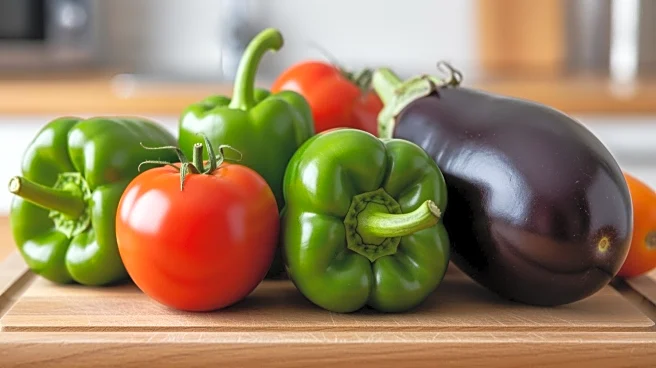
Botanically, fruits are the mature ovary of a plant, containing seeds. This includes items like eggplants, bell peppers, and cucumbers, which are often classified as vegetables in culinary contexts. The botanical definition is based on the plant's reproductive structures, rather than its culinary use.
Culinary Definition of Vegetables
Culinary definitions of vegetables are more arbitrary and often based on cultural and traditional practices. In the kitchen, vegetables are typically savory plant parts used in main dishes, as opposed to sweet fruits used in desserts. This definition excludes certain botanical fruits, like tomatoes and avocados, which are commonly used in savory dishes.
The culinary classification of vegetables is influenced by taste, texture, and usage in cooking. For example, while botanically a fruit, a tomato is considered a vegetable in culinary terms because it is used in salads, sauces, and other savory dishes. This distinction was even recognized legally in the United States Supreme Court case Nix v. Hedden, which classified tomatoes as vegetables for tariff purposes.
Implications of Different Definitions
The differences between botanical and culinary definitions of vegetables can lead to confusion, especially when it comes to dietary guidelines and nutritional information. For instance, dietary recommendations often group fruits and vegetables together, despite their botanical differences, because they share similar nutritional benefits.
Understanding these distinctions is important for both consumers and those involved in agriculture and food production. It helps clarify the nutritional value of different plant parts and informs decisions about cultivation, marketing, and consumption.
In conclusion, while the botanical and culinary definitions of vegetables may differ, both play a role in shaping our understanding of these essential foods. Recognizing these distinctions can enhance our appreciation of the diverse plant parts that contribute to a healthy diet.