







As concerns about environmental impact and ethical considerations grow, artificial leather has emerged as a popular alternative to traditional leather. Known by various names such as faux leather, vegan leather, and pleather, artificial leather offers a leather-like finish without the drawbacks associated with animal-based products. This article explores the development and uses of artificial leather, highlighting its role as a sustainable alternative.
Development of Artificial Leather
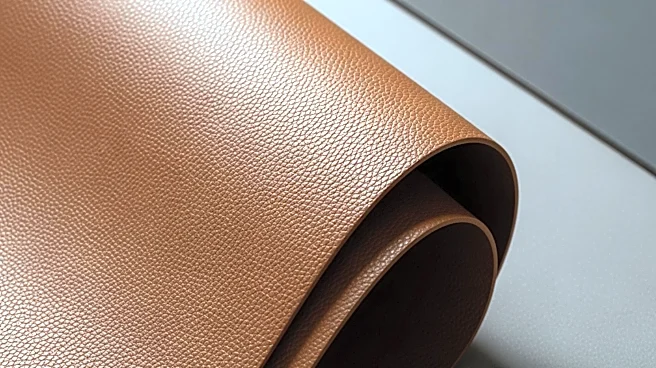
Artificial leather is designed to mimic the appearance and texture of genuine leather while addressing cost and ethical concerns. It is manufactured using various methods, including the application of polyurethane or polyvinyl chloride (PVC) coatings on fabric bases. These coatings can be embossed to replicate the texture of top-grain leather.
Recent advancements have introduced biotechnological processes to create vegan leather from fungi, yeasts, and bacterial strains. These methods aim to produce materials that are both environmentally friendly and sustainable, reducing reliance on petroleum-based products.
Uses and Advantages
Artificial leather is widely used in clothing, furniture upholstery, automotive interiors, and more. One of its primary advantages is its low maintenance requirements compared to genuine leather. It does not crack or fade easily, making it ideal for applications where durability is essential.
Depending on its construction, artificial leather can be porous and breathable or impermeable and waterproof. This versatility allows it to be used in various settings, from fashion to industrial applications. Additionally, artificial leather made from polyurethane is washable, adding to its practicality.
Environmental Considerations
While artificial leather offers a sustainable alternative to traditional leather, its production is not without environmental concerns. The use of PVC requires plasticizers and petroleum feedstocks, which can contribute to pollution. However, polyurethane-based artificial leather is gaining popularity due to its lower environmental impact.
Plant-based leathers, which use materials derived from natural sources, offer a promising solution to sustainability issues. Reports suggest that the environmental impact of vegan leather production can be significantly lower than that of real leather, making it an attractive option for eco-conscious consumers.
Artificial leather continues to evolve, with ongoing research and development aimed at improving its sustainability and performance. As the demand for ethical and environmentally friendly products grows, artificial leather is poised to play a crucial role in the future of fashion and design.