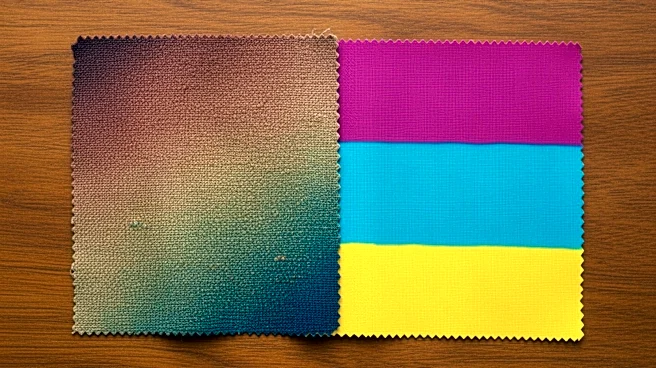





Dyeing textiles is an ancient art that has evolved significantly over the centuries. Initially, dyes were derived from natural sources, but the advent of synthetic dyes in the 19th century revolutionized the industry. This article explores the journey of textile dyeing from its natural origins to the synthetic innovations that define modern dyeing processes.
Early Beginnings with Natural Dyes
The history of textile dyeing dates back thousands of years, with the earliest evidence found
in a prehistoric cave in Georgia, where dyed flax fibers were discovered. During the Neolithic period, red dyes, possibly from ocher, were used in settlements like Çatalhöyük in Anatolia. In ancient China, dyeing with plants, barks, and insects was practiced over 5,000 years ago, showcasing the long-standing tradition of using natural resources for coloring textiles.
In ancient India, the use of vegetable dyes was prevalent, as evidenced by a piece of cotton dyed with madder found at Mohenjo-daro. Madder, along with indigo, was a significant dye in trade, spreading its use across regions. Natural dyes like cochineal, kermes, woad, and indigo were vital to the economies of Asia and Europe until the mid-19th century.
The Advent of Synthetic Dyes
The mid-19th century marked a turning point in textile dyeing with the discovery of synthetic dyes. In 1856, William Perkin accidentally created the first synthetic dye, mauveine, from coal tar. This discovery opened the door to a new era of dyeing, offering a broader range of colors and improved stability for washing and general use.
Following mauveine, alizarin, the red dye found in madder, was synthetically duplicated in 1869. This development led to the decline of naturally grown madder, as synthetic dyes offered more vibrant and consistent results. By the 1870s, commercial dyeing with natural dyestuffs was rapidly disappearing, replaced by synthetic alternatives that provided better light-fastness and color retention.
Modern Dyeing Techniques
Today, synthetic dyes dominate the textile industry, with different classes of dyes tailored for specific fibers. Acrylic fibers are dyed with basic dyes, while nylon and protein fibers like wool and silk use acid dyes. Polyester yarns are dyed with dispersed dyes, and cotton is treated with vat dyes, reactive dyes, and direct dyes.
The evolution from natural to synthetic dyes has not only expanded the color palette available to textile manufacturers but also improved the durability and quality of dyed fabrics. This transition reflects the industry's ongoing quest for innovation and efficiency, ensuring that textile dyeing remains a vibrant and essential part of modern manufacturing.