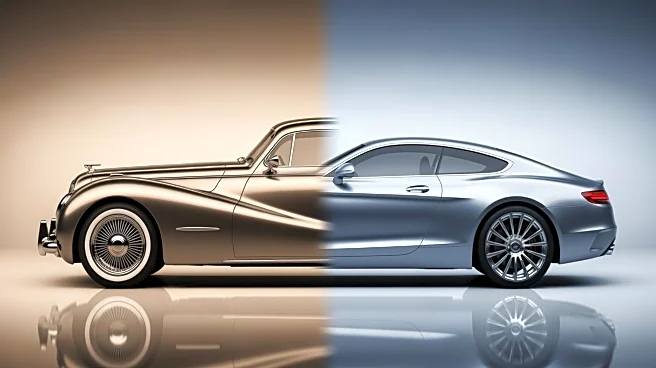


BMW, a name synonymous with luxury and performance, has a rich history that dates back to the early 20th century. Originally founded as an aircraft engine manufacturer, BMW has evolved over the decades into a leading producer of luxury automobiles and motorcycles. This article delves into the historical journey of BMW, highlighting key milestones and transformations that have shaped the company into what it is today.
Origins in Aircraft Engines
BMW's official founding date is
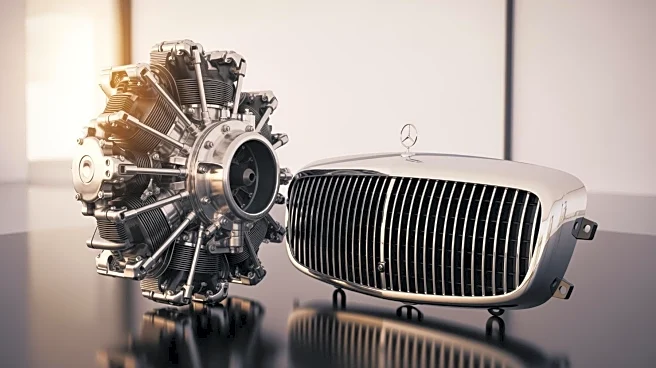
March 7, 1916, when Bayerische Flugzeugwerke was established. However, the name BMW first appeared in 1917 when Rapp Motorenwerke was renamed Bayerische Motoren Werke. Initially, BMW focused on producing aircraft engines, with the BMW IIIa being its first product. This engine was renowned for its fuel efficiency and high-altitude performance, leading to significant orders from the German military during World War I.
After the war, BMW faced restrictions on aircraft manufacturing due to the Treaty of Versailles. To survive, the company diversified into producing motorcycle engines, farm equipment, and household items. Despite these efforts, BMW faced financial difficulties and was effectively bankrupt from November 1918 to February 1919. The company then shifted focus to motorcycle engine manufacturing, which helped stabilize its operations.
Transition to Automobile Manufacturing
BMW's entry into automobile manufacturing began in 1928 with the acquisition of Fahrzeugfabrik Eisenach, which produced the Austin 7 under license. The first car sold as a BMW was the rebadged Dixi, known as the BMW 3/15. Throughout the 1930s, BMW expanded its range to include sports cars and larger luxury vehicles, establishing itself as a significant player in the automotive industry.
World War II saw BMW concentrate on aircraft engine production, with automobile manufacturing ceasing in 1941. Post-war, BMW's factories were heavily bombed, and the company was banned from producing motor vehicles or aircraft. To survive, BMW manufactured pots, pans, and bicycles until it could resume motorcycle production in 1948.
Post-War Recovery and Expansion
BMW resumed car production in Bavaria in 1952 with the BMW 501 luxury saloon. The introduction of the BMW 700 in the late 1950s helped the company recover financially, paving the way for the development of the New Class sedans in 1962. These models marked the beginning of BMW's reputation as a manufacturer of sport-oriented cars.
Throughout the 1960s and 1970s, BMW expanded its range with the introduction of the 5 Series, 3 Series, 6 Series, and 7 Series. The establishment of the BMW M division in 1978 further solidified BMW's position in the luxury and performance car market. Today, BMW continues to innovate and expand, maintaining its status as a global leader in the automotive industry.