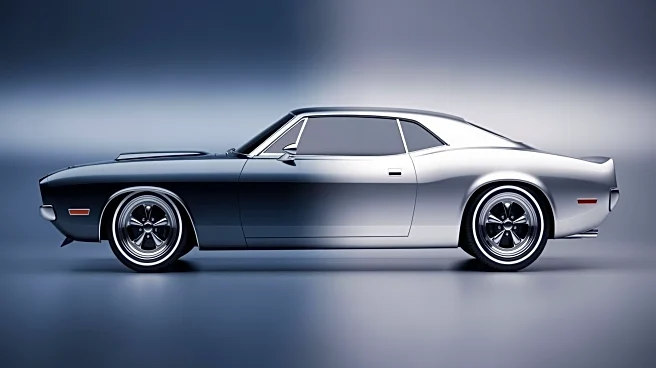




The first-generation Ford Mustang, introduced in 1964, marked a significant milestone in automotive history. This iconic vehicle not only created a new class of automobiles known as pony cars but also set the stage for a series of design and engineering changes that would evolve over the next decade. From its inception to its discontinuation in 1973, the Mustang underwent several transformations, reflecting the changing tastes and technological advancements
of the era.
Introduction and Early Development
The Mustang was conceived under the leadership of Lee Iacocca, with Donald N. Frey as the head engineer. The project was completed in a record 18 months, resulting in a vehicle that combined sporty design with affordability. The Mustang's styling, characterized by its long hood and short deck, was inspired by European sports cars and aimed to appeal to both men and women. Upon its introduction, the Mustang was available as a hardtop and convertible, with a fastback version following shortly after.
The initial models shared components with the Ford Falcon, allowing for cost-effective production. The Mustang's design team, led by Joe Oros, focused on creating a vehicle that was both stylish and practical. The car's success was immediate, with sales far exceeding expectations, leading to the production of nearly 1.3 million units in the first two years.
Design Changes and Performance Enhancements
As the Mustang gained popularity, Ford introduced several design changes to keep the model fresh and competitive. The 1967 redesign allowed for the installation of a big-block V8 engine, increasing the car's power and performance. This model featured concave taillights, side scoops, and chrome ornamentation, enhancing its aggressive appearance.
In 1969, the Mustang's body length was extended, and it featured quad headlamps, giving it a more substantial look. The introduction of performance packages like the Mach 1 and Boss models further solidified the Mustang's reputation as a powerful and stylish vehicle. These packages included distinctive styling elements and performance upgrades, catering to the growing demand for muscle cars.
The Final Years and Legacy
The early 1970s brought about significant changes in the automotive industry, influenced by factors such as emissions regulations and the oil crisis. The Mustang's design continued to evolve, with the 1971 model featuring a wider body to accommodate larger engines. However, as consumer preferences shifted towards smaller, more fuel-efficient cars, Mustang sales began to decline.
Despite these challenges, the first-generation Mustang left a lasting legacy, influencing the design of future models and inspiring competitors to create their own versions of the pony car. The Mustang's combination of style, performance, and affordability made it a cultural icon, and its impact on the automotive industry is still felt today.