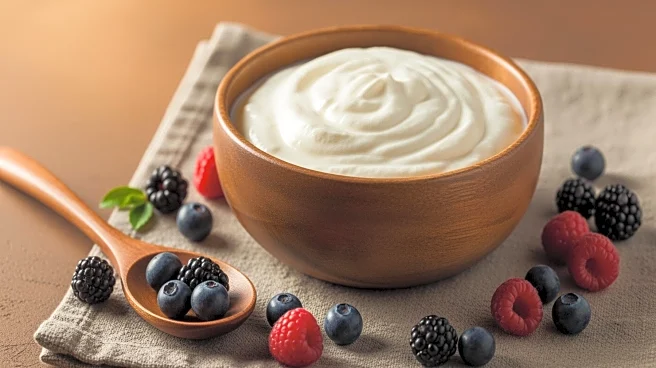

Skyr is more than just a dairy product in Iceland; it is a cultural staple that has been part of the country's culinary landscape for centuries. Known for its high protein content and low fat, skyr resembles
strained yogurt but offers a milder flavor. This article delves into the cultural importance of skyr in Iceland, tracing its historical roots and examining its place in modern Icelandic cuisine.
Historical Roots of Skyr
Skyr has been a part of Icelandic cuisine for centuries, with mentions in medieval Icelandic sources such as Egil's saga and Grettis saga. These historical references highlight skyr's longstanding presence in Icelandic culture, although the exact nature of medieval skyr remains somewhat mysterious due to the lack of detailed descriptions. Originally made from sheep's milk, skyr has evolved over time, with cow's milk becoming the more common base in contemporary production.
In Scandinavia, similar cultured milk products have been made since the Middle Ages, often without cooking and using skimmed milk. These products, like skyr, were traditionally consumed in various forms, such as with bread or mixed with sour cream. The historical continuity of skyr and its relatives underscores its cultural significance in the region.
Skyr in Modern Icelandic Cuisine
Today, skyr is a beloved staple in Icelandic households, often enjoyed as a snack or dessert. It is traditionally served cold, sometimes with cream, and commercial versions often include added flavors like vanilla, coffee, or fruit. Despite its evolution, skyr maintains its cultural importance, symbolizing Iceland's culinary heritage.
The production of skyr has also modernized, with pasteurization and the use of bacterial cultures ensuring consistency and safety. This modernization has allowed skyr to maintain its traditional qualities while adapting to contemporary food safety standards.
Skyr's Global Reach
In recent years, skyr has gained international popularity, particularly in the United States and Scandinavia. Efforts to market skyr outside Iceland began in 2005, with exports to the U.S. and licensed production in Denmark and Scotland. The product's high protein and low sugar content have made it appealing to health-conscious consumers worldwide.
Despite its global reach, skyr remains a symbol of Icelandic culture. The major dairy cooperative in Iceland, Mjólkursamsalan, continues to play a significant role in its production and export. While skyr is now enjoyed by people around the world, it retains its cultural roots, serving as a delicious reminder of Iceland's rich culinary history.