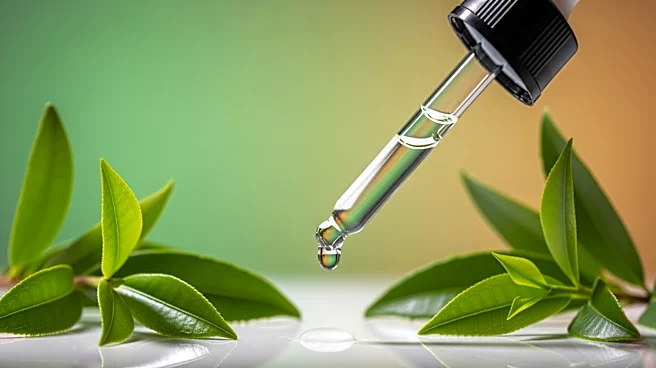







Tea tree oil, while popular for its purported health benefits, also comes with significant safety and toxicity concerns. Derived from the leaves of the Melaleuca alternifolia, this essential oil is widely used in skincare and aromatherapy. However, understanding the potential risks associated with its use is crucial for ensuring safety.
Toxicity and Ingestion Risks
One of the most critical safety concerns with tea tree oil is its high toxicity when ingested. Consuming tea tree oil can
lead to severe health issues, including drowsiness, confusion, hallucinations, and even coma. It can also cause gastrointestinal symptoms such as vomiting and diarrhea. Due to these risks, it is imperative to keep tea tree oil out of reach of children and pets and to avoid using it in or around the mouth.
In Australia, tea tree oil is a common cause of poisoning, particularly among children. From 2014 to 2018, there were 749 reported cases of essential oil poisoning in New South Wales, with tea tree oil accounting for a significant portion. These statistics highlight the importance of proper storage and handling to prevent accidental ingestion.
Skin Reactions and Allergies
Topical application of tea tree oil can also lead to adverse reactions, particularly if the oil is oxidized or used in high concentrations. Common skin reactions include irritation, allergic contact dermatitis, and systemic hypersensitivity reactions. The potential for these reactions increases as the oil ages and its chemical composition changes.
To minimize the risk of skin reactions, it is recommended to use fresh tea tree oil and to conduct a patch test before applying it to larger areas of the skin. Additionally, products containing tea tree oil should not be used on children under 12 years of age, as their skin may be more sensitive to its effects.
Hormonal and Environmental Concerns
Recent studies have raised concerns about the potential hormonal effects of tea tree oil. Some of its constituent chemicals, such as eucalyptol and 4-terpineol, have been identified as endocrine disruptors. These compounds may pose a risk for causing abnormal breast enlargement in men and prepubertal children, raising questions about the environmental health impacts of tea tree oil.
Overall, while tea tree oil offers potential benefits, its safety and toxicity concerns cannot be overlooked. By understanding these risks and taking appropriate precautions, users can safely incorporate tea tree oil into their health and wellness routines.