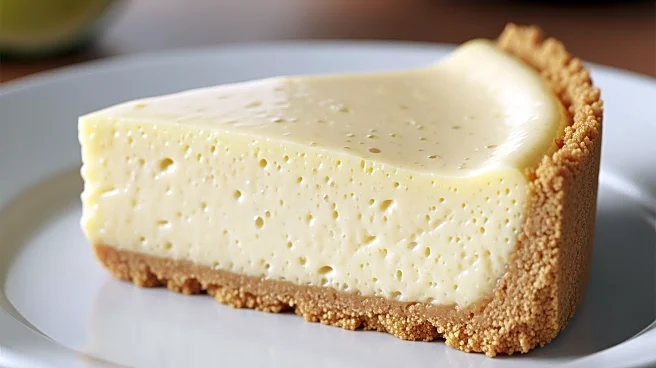

Key lime pie is not only a treat for the taste buds but also a fascinating example of culinary science. The pie's creamy texture and tangy flavor are the result of specific chemical reactions between its
ingredients. Understanding these reactions provides insight into why key lime pie is such a unique dessert.
The Role of Key Lime Juice
The key ingredient in key lime pie is, unsurprisingly, key lime juice. This juice is highly acidic, which plays a crucial role in the pie's texture. When key lime juice is mixed with sweetened condensed milk and egg yolks, a chemical reaction occurs. The acidity of the lime juice causes the proteins in the egg yolks to denature and coagulate, thickening the mixture into a custard-like consistency.
This reaction is similar to the process of making ceviche, where the acid in lime juice cooks the fish. In the case of key lime pie, the acid thickens the filling without the need for heat, although modern recipes often include a brief baking period for added safety and texture.
The Importance of Sweetened Condensed Milk
Sweetened condensed milk is another key component of key lime pie. This thick, sweet milk is made by removing most of the water from regular milk and adding sugar. Its high sugar content not only sweetens the pie but also contributes to its creamy texture.
When combined with the acidic lime juice, the sweetened condensed milk thickens, creating a smooth and rich filling. This reaction is a form of acid-induced coagulation, which is essential for achieving the pie's signature texture. The use of sweetened condensed milk also harks back to the pie's origins in the Florida Keys, where fresh milk was scarce.
Baking and Modern Techniques
While the original key lime pie relied solely on the chemical reaction between lime juice and condensed milk, modern recipes often include a baking step. Baking the pie for a short time further thickens the filling and ensures the safety of the eggs. This step has become a standard practice, although some traditionalists still prefer the no-bake method.
The addition of a meringue topping is another modern variation. Made from whipped egg whites and sugar, the meringue is spread over the pie and lightly browned. This adds a sweet, airy contrast to the dense, tangy filling, enhancing the overall texture and flavor of the pie.
In conclusion, the unique texture of key lime pie is a result of careful ingredient selection and chemical reactions. These elements combine to create a dessert that is both scientifically intriguing and deliciously satisfying.