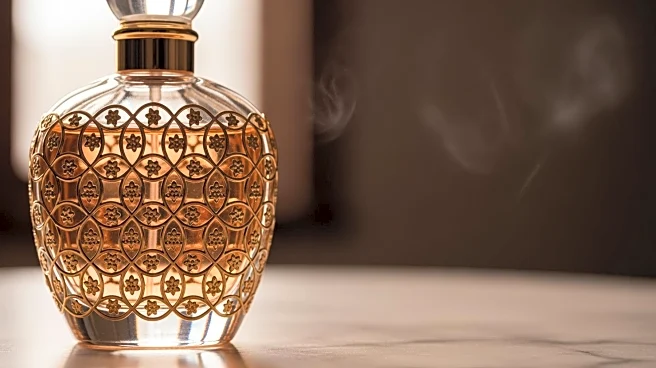




Perfume has been a part of human culture for thousands of years, evolving from simple aromatic substances to complex blends of essential oils and synthetic compounds. This fragrant journey began in ancient civilizations and has continued to develop through the ages, influenced by cultural, technological, and scientific advancements.
Ancient Beginnings
The art of perfumery can be traced back to ancient Mesopotamia, where one of the first recorded chemists, Tapputi, created
perfumes using flowers, oils, and other aromatics. Her methods laid the foundation for future perfume-making techniques. In Egypt, perfumes were used in religious rituals and personal grooming, with the preparation of lily perfume depicted in ancient scenes.
Perfume also played a significant role in the Indus Valley civilization, where distillation techniques were mentioned in ancient texts. The Greeks and Romans further refined the art, extracting scents from flowers, woods, and resins. The use of perfumes spread across cultures, with each civilization contributing to the evolving practices.
The Middle Ages and Renaissance
During the Middle Ages, the art of perfumery was preserved and expanded by Islamic cultures, particularly in Spain and Italy. The introduction of new raw materials and distillation techniques significantly influenced Western perfumery. The monks of Santa Maria Novella in Florence recorded perfume recipes as early as 1221.
The Renaissance saw a flourishing of perfumery in Italy, with Catherine de' Medici's personal perfumer bringing Italian refinements to France. This period marked the beginning of France's dominance in the perfume industry, with the cultivation of flowers for their essence becoming a major industry in the south.
Modern Perfumery
The modern era of perfumery began in the late 19th century with the synthesis of aroma compounds like vanillin and coumarin. These innovations allowed for the creation of perfumes with previously unattainable scents. The development of different concentrations, such as eau de parfum and eau de toilette, made perfumes accessible to a wider audience.
Today, perfumery is a blend of art and science, with synthetic compounds providing new possibilities for fragrance creation. The industry continues to evolve, driven by consumer preferences and technological advancements, ensuring that the legacy of perfume remains vibrant and diverse.