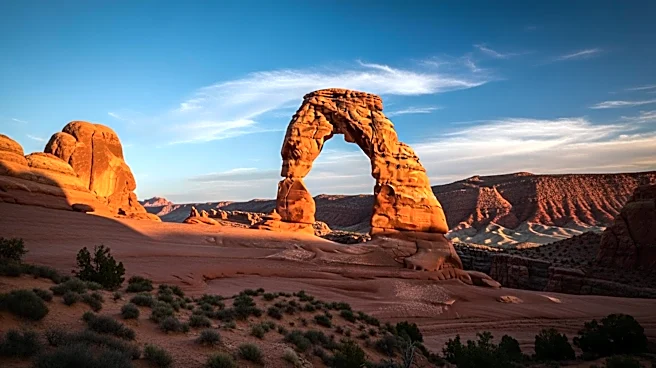









Natural Bridges National Monument in Utah is home to some of the most stunning natural bridges in the world. Established in 1908, this monument features three main bridges: Sipapu, Kachina, and Owachomo. Each bridge is a testament to the power of natural erosion and offers a unique glimpse into the geological history of the region. Visitors to the monument can explore these natural wonders through various hiking trails and viewpoints, making it a must-see
destination for nature enthusiasts.
The Formation of Natural Bridges
Natural bridges are formed through the process of erosion, where water flows in the stream bed of a canyon, gradually undercutting the rock walls. Over time, this erosion creates a bridge-like structure as the rock wall within the meander is cut off, and the stream flows underneath. The monument's bridges are carved from the white Permian sandstone of the Cedar Mesa Formation, which gives White Canyon its name. This process is evident in the three main bridges of the monument, each showcasing different stages of natural bridge formation.
Sipapu Bridge, the largest of the three, is a prime example of this natural phenomenon. It was once reported to have a span of 268 feet, but a more accurate measurement in 2007 revealed it to be 255 feet. Despite this adjustment, Sipapu remains one of the largest natural bridges in the world. Kachina Bridge, with a span of 210 feet, is notable for its width and the petroglyphs found on its base, believed to represent Kachina dancers. Owachomo Bridge, the oldest and most delicate, spans 180 feet and is named after the rock formation on its east end.
Visiting the Bridges
Visitors to Natural Bridges National Monument can experience these natural wonders through a variety of trails and viewpoints. The Bridge View Drive offers a scenic route that passes by all three bridges, providing easy access to their viewpoints. For those looking to get closer, hiking trails lead down to the bases of the bridges, allowing for an up-close view of their impressive spans.
The Sipapu Bridge trail is particularly popular, as it allows visitors to pass under the bridge, offering a unique perspective of its massive arch. The Owachomo Trail provides a shorter hike to the base of the bridge, making it accessible for visitors of all ages. Kachina Bridge can be reached via a 1.4-mile round trip hike, offering a chance to see the petroglyphs up close.
The Monument's Unique Features
In addition to the natural bridges, the monument is home to a variety of other natural and cultural features. The Horsecollar Ruin, an Ancestral Puebloan site, is visible from an overlook and offers a glimpse into the area's ancient history. The monument's elevation, reaching up to 6,500 feet, provides stunning views of the surrounding landscape, including the distant Mesa Verde National Park.
Natural Bridges National Monument is also recognized for its dark skies, having been named the first International Dark-Sky Park in 2007. This designation highlights the monument's efforts to preserve its natural night sky, making it an ideal location for stargazing. With its unique geological formations, rich history, and commitment to conservation, Natural Bridges National Monument offers a truly unforgettable experience for all who visit.