
Espresso is more than just a coffee drink; it is a blend of art and science that requires precision and skill. Known for its rich flavor and creamy crema, a perfect shot of espresso is the result of careful
attention to detail. This article delves into the technical and artistic elements that contribute to crafting the ideal espresso.
The Technical Aspects of Espresso
The process of making espresso involves forcing very hot water under high pressure through finely ground coffee. This method extracts a highly concentrated coffee with a complex flavor profile in a short time, usually 25 to 30 seconds. The result is a beverage with a higher concentration of suspended and dissolved solids than regular drip coffee, giving espresso its characteristic body and intensity.
Several factors influence the quality of an espresso shot, including grind size, water temperature, and pressure. The grind size must be fine enough to allow for proper extraction, while the water temperature should be around 88°C to ensure optimal flavor. The pressure, typically around 9 bars, is crucial for creating the crema, a layer of dense foam that forms on top of the espresso.
The Art of Espresso Making
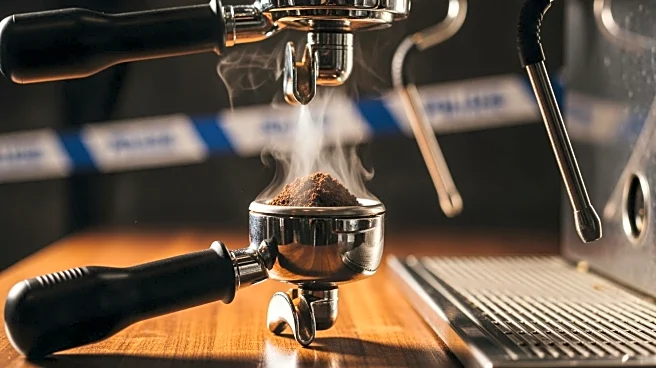
Beyond the technical specifications, making espresso is an art that requires skill and experience. The barista's role is crucial in ensuring that each shot is pulled to perfection. Tamping, the process of packing and leveling the coffee grounds, is a key step that affects the evenness of extraction. A well-tamped puck of coffee grounds allows for uniform water flow, resulting in a balanced and flavorful shot.
The art of espresso also involves understanding the nuances of different coffee beans and roast levels. While there is a common misconception that espresso is made exclusively with dark-roast beans, it can be crafted with various types of beans and roast levels. This flexibility allows for a wide range of flavors and strengths, catering to diverse preferences.
The Experience of Enjoying Espresso
Enjoying a shot of espresso is a sensory experience that engages the taste buds and the senses. The crema, a unique feature of espresso, adds a creamy texture and enhances the aroma of the coffee. The concentrated flavors of espresso offer a rich and intense taste that is both satisfying and invigorating.
As espresso continues to be a staple in coffee culture, its blend of art and science remains a testament to the skill and dedication of those who craft it. Whether enjoyed on its own or as the base for other coffee drinks, espresso is a celebration of flavor and craftsmanship.