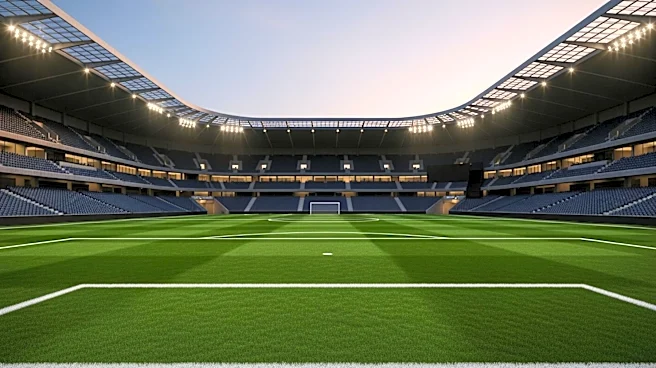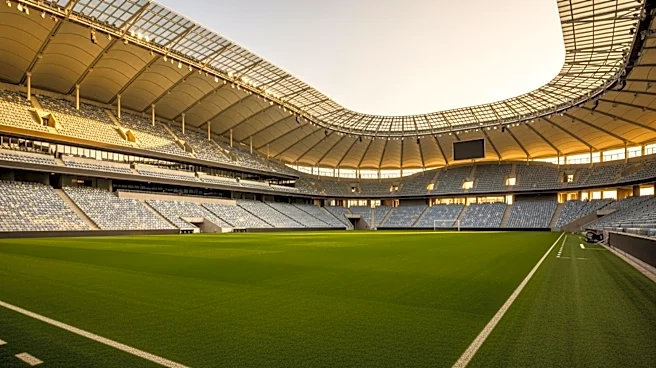



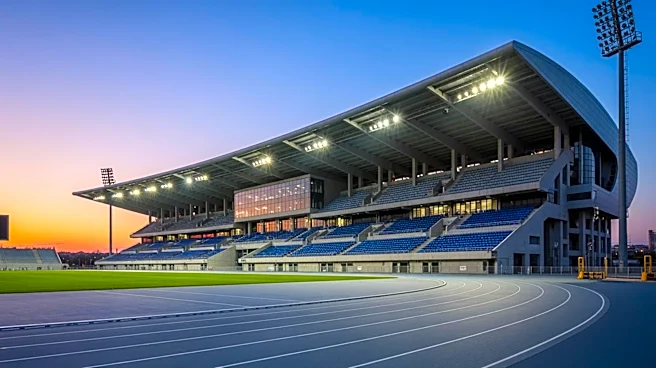


Zentralstadion in Leipzig was more than just a sports venue; it was a symbol of the city's rich cultural and sporting heritage. Built in the mid-20th century, the stadium represented Leipzig's aspirations to become a center for national and international sports events. Its construction and subsequent transformations reflect the city's evolving relationship with sports and its impact on local culture.
The Cultural Significance of Zentralstadion
Zentralstadion was conceived as a national-class
stadium to commemorate the 100,000 fallen soldiers in the Battle of Leipzig. This historical connection imbued the stadium with a sense of purpose beyond sports, serving as a monument to the city's resilience and unity. The stadium hosted numerous sports festivals, including the German Gym and Sports Celebrations, which attracted large crowds and fostered a sense of community.
The stadium's design and construction were ambitious, involving 180,000 volunteers who contributed to its creation. This collective effort highlighted the importance of sports in Leipzig's cultural identity, as residents came together to build a venue that would host major events and celebrations. The use of debris from World War II bombings in its construction further symbolized the city's ability to transform adversity into opportunity.
Transformations and Challenges
Despite its cultural significance, Zentralstadion faced challenges in the late 20th century. Rising maintenance costs and changing sports preferences led to the decision to construct a smaller, soccer-only stadium. This shift marked a departure from the stadium's original purpose, reflecting broader changes in sports culture and infrastructure.
The transformation into Red Bull Arena was driven by the need for a modern facility that could host international events like the FIFA World Cup. Critics argued that the Zentralstadion could have been preserved, but the focus shifted to creating a venue tailored for football. This change reflected the growing popularity of soccer and the city's desire to align with global sports trends.
Legacy and Impact
Today, the legacy of Zentralstadion lives on through Red Bull Arena, which serves as the home of RB Leipzig. The stadium continues to be a hub for sports enthusiasts and a symbol of Leipzig's vibrant sports culture. Its evolution from a multi-purpose venue to a football-specific stadium highlights the city's adaptability and commitment to sports excellence.
Zentralstadion's cultural and symbolic significance remains an integral part of Leipzig's history. As the city continues to host major events, the stadium stands as a testament to its rich heritage and ongoing dedication to sports innovation.