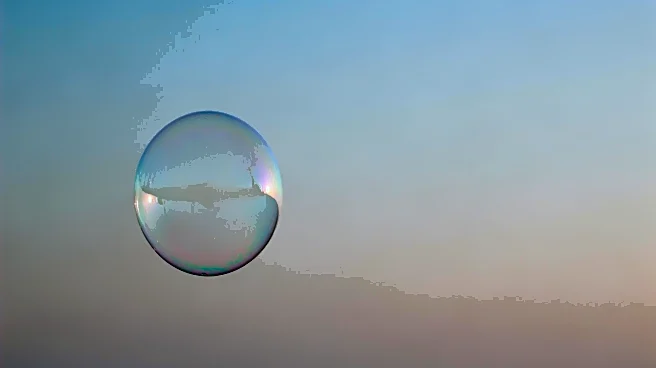


Soap bubbles have long been a source of fascination and joy across cultures. Their ephemeral beauty and playful nature have made them a popular subject in art, entertainment, and cultural traditions. From children's games to artistic performances, soap bubbles hold a unique place in human expression.
Artistic Representations
Soap bubbles have been depicted in art for centuries, symbolizing the transient nature of life and beauty. One notable example is the painting "Bubbles"
by Sir John Everett Millais, created in 1886. This artwork features a young boy blowing bubbles, capturing the innocence and fleeting moments of childhood. The painting was later used to market Pears soap, highlighting the connection between soap bubbles and cleanliness.
In contemporary art, soap bubbles continue to inspire artists who explore themes of impermanence and transformation. The iridescent surface of bubbles provides a dynamic canvas for light and color, allowing artists to create mesmerizing visual effects. Installations and performances featuring soap bubbles often evoke a sense of wonder and nostalgia, inviting viewers to reflect on the beauty of the moment.
Entertainment and Performances
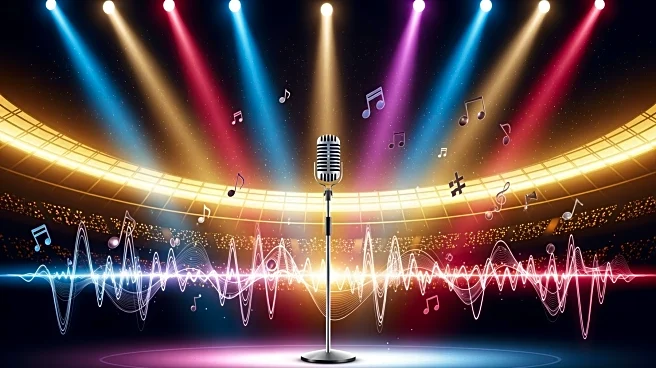
Soap bubbles are a staple in entertainment, particularly in performances that showcase their magical qualities. Bubble artists use specialized techniques to create intricate bubble sculptures and displays, captivating audiences with their skill and creativity. These performances often incorporate music and lighting to enhance the visual experience, transforming simple bubbles into a spectacle of art.
Children's entertainment frequently features soap bubbles, as they are easy to create and provide endless amusement. Bubble machines and wands are common at parties and events, where children can chase and pop bubbles to their heart's content. The playful nature of bubbles makes them a perfect tool for engaging young audiences and encouraging imaginative play.
Cultural Traditions
Soap bubbles also hold significance in various cultural traditions and celebrations. In some cultures, bubbles are used in rituals and ceremonies to symbolize purity and renewal. The act of blowing bubbles can represent the release of negative energy and the welcoming of positive change.
Festivals and parades often include bubble displays, adding a whimsical element to the festivities. The sight of bubbles floating through the air can evoke feelings of joy and unity, bringing people together in celebration. Whether used in art, entertainment, or cultural practices, soap bubbles continue to enchant and inspire, reminding us of the simple pleasures in life.
Soap bubbles, with their delicate beauty and playful nature, have captured the imagination of people around the world. Their presence in art, entertainment, and culture highlights their enduring appeal and the joy they bring to our lives.