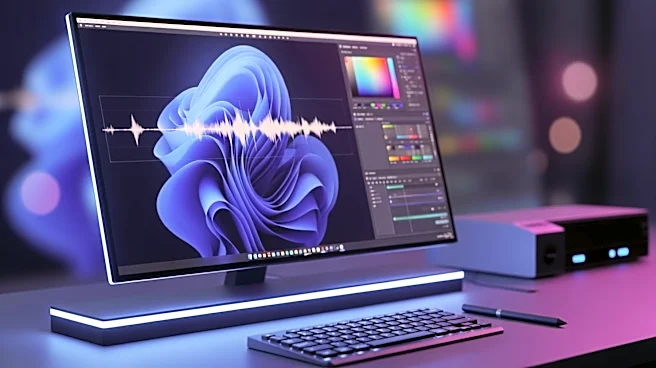

Technology has revolutionized the field of editing, transforming the way editors work and the tools they use. From the rise of digital platforms to the development of sophisticated software, technological
advancements have reshaped editing practices in profound ways. This article explores the impact of technology on editing, highlighting key changes and innovations.
Digital Platforms and Tools
The shift from print to digital has been one of the most significant changes in editing. Editors now work primarily on digital platforms, using applications like Adobe Acrobat, Microsoft Office, and Google Docs to review and refine content. These tools have made the editing process more efficient, allowing editors to work on virtual timelines and collaborate with authors in real-time.
The availability of online platforms has also expanded the scope of editing, enabling editors to work on a wide range of content, from written text to audio and video. This shift towards multimodality has required editors to adapt their skills and techniques to meet the demands of different media formats.
Software Innovations
The development of editing software has further transformed the field, providing editors with powerful tools to manipulate and enhance content. Photo editing software like Adobe Photoshop and Lightroom allows editors to adjust the qualities of images, while video editing software like DaVinci Resolve and Adobe Premiere Pro enables filmmakers to achieve new techniques in post-production.
These innovations have made the editing process quicker and more creative, allowing editors to experiment with different styles and techniques. The ability to upload content directly to editing software has streamlined the workflow, making it easier for editors to produce high-quality work.
Changing Intentions and Values
As technology continues to advance, the intentions and values behind editing have also evolved. The preference for quick answers and simplified text online has led to a focus on shortening and simplifying content. Editors must balance the need for clarity and accuracy with the demands of digital consumption.
The advancement in social issues has also influenced editing practices, with editors offering easy access to vast amounts of information. This shift towards accessibility and inclusivity has changed the way editors approach their work, ensuring that content is engaging and relevant to a diverse audience.
Technology has had a profound impact on editing, reshaping the tools and practices used by editors. As the field continues to evolve, editors must adapt to new challenges and opportunities, playing a crucial role in shaping the way content is presented and consumed.