
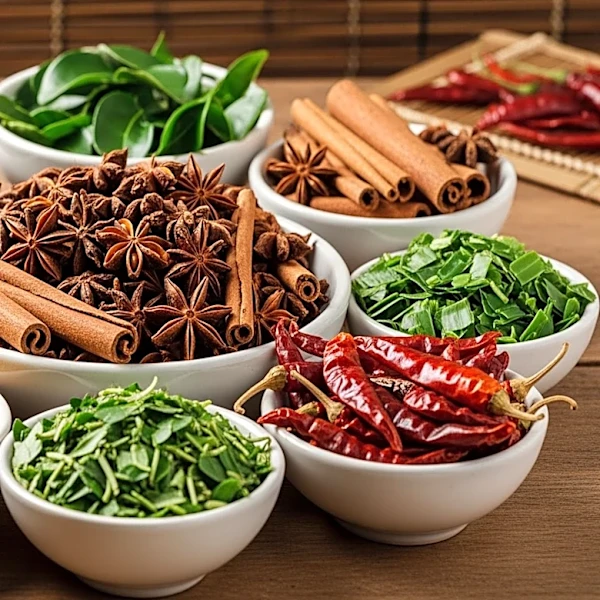
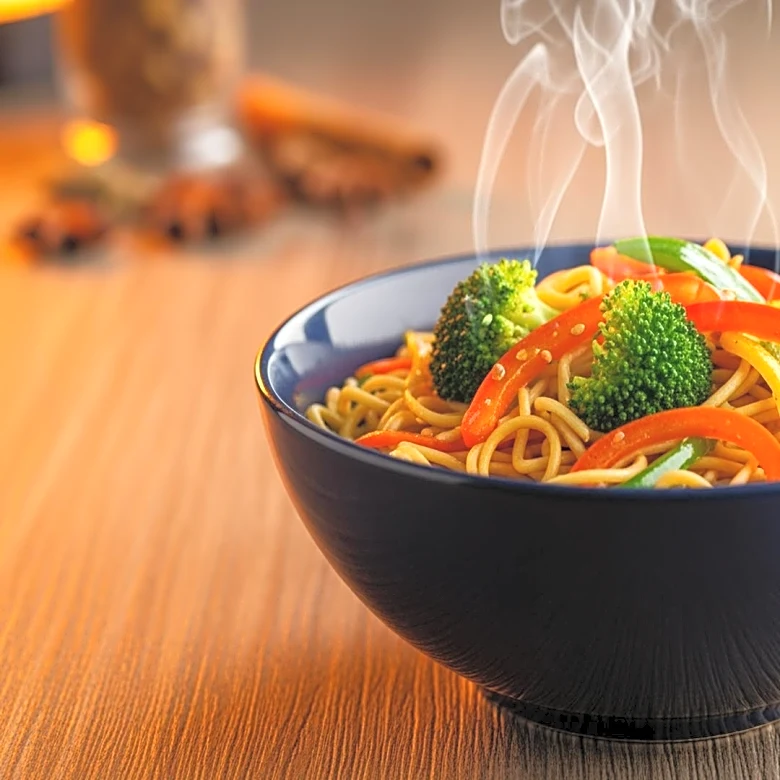
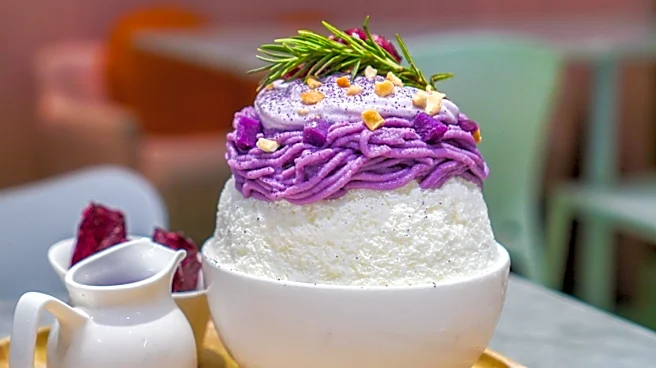
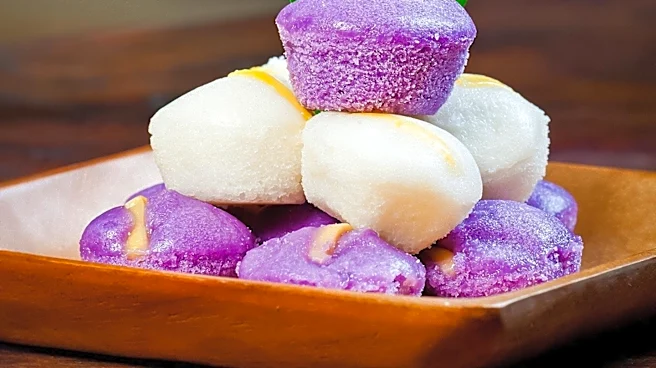

Filipino cuisine is more than just a collection of dishes; it is a reflection of the country's cultural identity and social fabric. The diverse flavors and ingredients found in Filipino food tell the story of the nation's history and the various influences that have shaped its culinary landscape. This article explores the cultural significance of Filipino cuisine and its role in shaping the nation's identity.
A Melting Pot of Influences
The Philippines' strategic location in Southeast
Asia has made it a crossroads of cultures, and this is evident in its cuisine. Filipino food is a fusion of indigenous, Chinese, Spanish, and American influences, each contributing unique elements to the culinary tapestry. This blend of flavors and techniques has resulted in a cuisine that is both diverse and distinct.
Chinese traders introduced ingredients like soy sauce and noodles, which have become staples in Filipino cooking. Spanish colonization brought about the integration of Iberian dishes, such as adobo and paella, into the local diet. The American period introduced fast food and convenience items, further diversifying the Filipino palate. Each of these influences has left an indelible mark on Filipino cuisine, making it a true reflection of the country's multicultural heritage.
Food as a Social Connector
In the Philippines, food is a central part of social life and community gatherings. Meals are often shared with family and friends, and the act of eating together is seen as a way to strengthen bonds and foster relationships. Traditional Filipino dining practices, such as the communal "kamayan" or "boodle fight," where food is served on banana leaves and eaten with hands, emphasize the importance of togetherness and sharing.
Filipino cuisine also plays a significant role in celebrations and festivals. Dishes like lechon, a whole roasted pig, are often the centerpiece of feasts and symbolize abundance and prosperity. These culinary traditions are passed down through generations, preserving the cultural heritage and reinforcing the sense of community among Filipinos.
Preserving Culinary Heritage
As the Philippines continues to modernize, there is a growing movement to preserve and promote traditional Filipino cuisine. Chefs and food enthusiasts are working to document and revive age-old recipes, ensuring that the rich culinary heritage is not lost to future generations. This effort is not only about preserving flavors but also about maintaining a connection to the past and celebrating the unique cultural identity of the Philippines.
In conclusion, Filipino cuisine is a vital part of the nation's cultural identity. It reflects the country's history, diversity, and social values, serving as a bridge between the past and the present. As Filipinos continue to embrace their culinary heritage, they celebrate the rich tapestry of flavors that define their culture and bring people together.