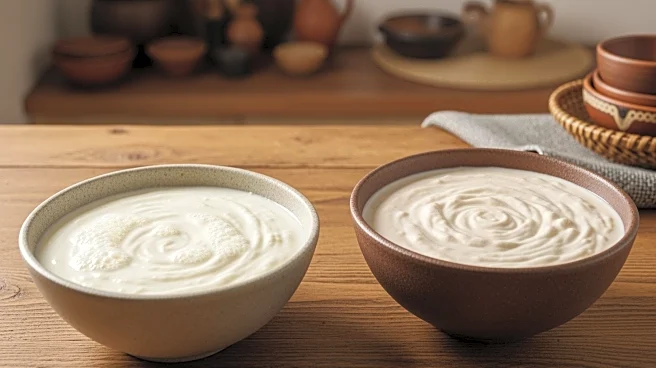




Soured milk is a beloved dairy product that has found its place in various cultures around the world. Each region has its own unique version of soured milk, reflecting local tastes and traditions. From the creamy clabber of Ireland to the tangy prostokvasha of Russia, soured milk is a versatile and culturally significant food. Let's explore some of the most popular varieties of soured milk from different parts of the globe.
European Delights
In Europe, soured milk has
a rich history and is enjoyed in several forms. In Ireland, clabber is a traditional type of soured milk that is thick and creamy. It is often used in baking or enjoyed with fruit, providing a rich and tangy flavor. Germany offers Dickmilch, or thick milk, and Herbstmilch, or autumn milk, both of which are variations of soured milk with distinct flavors and textures.
Russia is home to prostokvasha, a well-known type of soured milk that is often consumed as a refreshing drink or used in cooking. Each of these European varieties showcases the versatility and cultural significance of soured milk, highlighting its role in traditional diets and culinary practices.
African and Middle Eastern Varieties
In southern Africa, amasi is a popular type of soured milk that is often consumed as a staple food. It is thick and creamy, with a tangy flavor that is enjoyed on its own or used in cooking. In Egypt, laban rayeb is a common choice, offering a refreshing and tangy taste that is perfect for hot climates.
These African and Middle Eastern varieties of soured milk reflect the diverse culinary traditions of the regions, showcasing the adaptability of soured milk to different climates and cultural preferences. Whether enjoyed as a drink or used in cooking, these varieties highlight the global appeal of soured milk.
Asian and Other Global Varieties
While the Wikipedia text does not provide specific examples of Asian varieties of soured milk, it is worth noting that similar fermented milk products are enjoyed in many Asian countries. These products often share similarities with soured milk, such as a tangy flavor and thick texture, and are used in a variety of culinary applications.
The global appeal of soured milk is a testament to its versatility and cultural significance. From Europe to Africa and beyond, soured milk continues to be a beloved and essential part of traditional diets, offering a unique taste and texture that is enjoyed by people around the world.