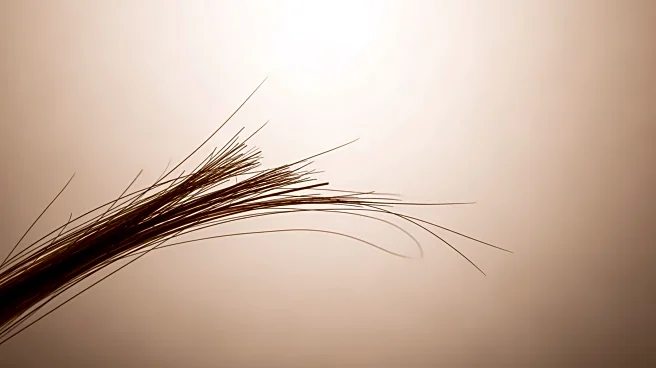




Split ends, a common hair issue, occur when the protective cuticle of hair fibers is stripped away, leading to the splitting of the hair shaft. This condition, known as trichoptilosis, can affect both long and short hair, though it is more frequently observed in longer hair. Understanding the causes and solutions for split ends can help in maintaining healthier hair.
Causes of Split Ends
Split ends result from various forms of damage to the hair. Chemical or physical trauma,
such as exposure to heat from styling tools or harsh chemical treatments, can lead to the deterioration of the hair's protective cuticle. This damage causes the hair fiber to split into two or three strands, with splits extending up to two or three centimeters in length. The ends of the hair are particularly vulnerable as they are the oldest part of the hair shaft, having been exposed to numerous environmental factors and styling routines.
As hair grows, the natural oils produced by the scalp may not reach the ends, leaving them dry and brittle. This lack of moisture, combined with frequent exposure to the sun, repeated shampooing, and the use of heat styling tools, exacerbates the condition, making the ends more prone to splitting. Without regular trims and hydrating treatments, split ends can become more severe.
Solutions for Split Ends
The most effective way to manage split ends is through regular trimming. By removing the damaged ends, further splitting is prevented, helping to maintain the overall health of the hair. While trimming is a direct solution, there are also treatments that can help repair minor damage and improve the appearance of split ends.
Conditioners and hair masks can provide temporary relief by smoothing the hair cuticle and adding moisture to the hair shaft. These products help to reduce the appearance of split ends and make the hair feel softer and more manageable. However, they do not permanently repair the damage, making regular trims essential for long-term hair health.
Preventing Future Damage
Preventing split ends involves minimizing exposure to damaging factors. Reducing the use of heat styling tools and opting for gentler hair care products can help protect the hair cuticle. Additionally, using a wide-tooth comb to detangle hair and applying leave-in conditioners can help maintain moisture levels and reduce breakage.
Incorporating these practices into a regular hair care routine can significantly reduce the occurrence of split ends, leading to healthier, more resilient hair. By understanding the causes and solutions for split ends, individuals can take proactive steps to maintain the integrity and appearance of their hair.