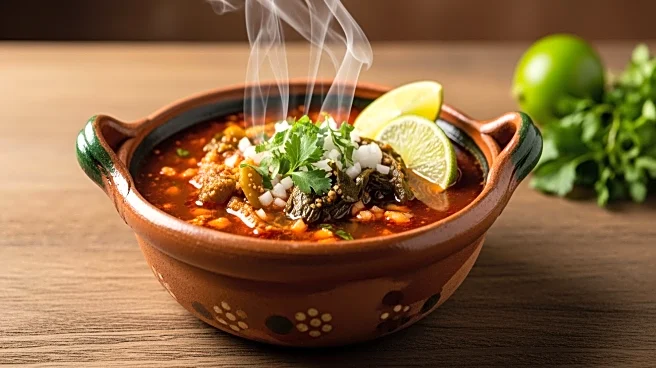




Menudo is more than just a soup; it is a dish deeply embedded in Mexican culture and tradition. Made from cow's stomach, or tripe, menudo is a hearty soup that has been enjoyed for generations. Its rich flavors and comforting warmth make it a staple at family gatherings and celebrations, symbolizing unity and heritage.
Historical Roots of Menudo
The origins of menudo can be traced back to Spanish colonization, when the tradition of tripe soups was introduced to the Americas.
In Spain, similar dishes like callos and menudo have been enjoyed since the 14th century. As Spanish settlers made their way to Mexico, they brought with them their culinary traditions, which were adapted to local ingredients and tastes.
Menudo's history is a reflection of Mexico's colonial past, where European influences merged with indigenous practices to create a unique culinary identity. Over time, menudo evolved into a dish that is distinctly Mexican, incorporating local flavors and ingredients.
Regional Variations and Ingredients
Menudo is a versatile dish, with regional variations found throughout Mexico. In northern Mexico, hominy is often added to the soup, while in other areas, garbanzo beans may be used instead. The broth is typically seasoned with lime, onions, cilantro, oregano, and red chili peppers, creating a rich and flavorful base.
In some regions, menudo blanco is preferred, which omits the red chili peppers for a milder taste. This variation is popular in states like Sinaloa and Sonora, where jalapeño or chopped green chilies may be used to add spice. These regional differences highlight the adaptability of menudo, allowing it to cater to diverse palates.
Menudo's Role in Mexican Culture
Menudo is more than just a meal; it is a cultural experience. In Mexico, menudo is often prepared for special occasions, such as weddings and holidays, bringing families together to share in its warmth and flavor. It is also believed to have curative properties, particularly as a remedy for hangovers, making it a popular choice after festive celebrations.
The preparation of menudo is a communal activity, with families gathering to cook and enjoy the dish together. This tradition fosters a sense of community and connection, reinforcing the importance of family in Mexican culture. Menudo's enduring popularity is a testament to its cultural significance, serving as a symbol of heritage and unity.
Menudo is a dish that embodies the rich history and cultural traditions of Mexico. Its flavors and preparation reflect the country's diverse culinary influences, while its role in family gatherings underscores the importance of community and connection. As a beloved staple of Mexican cuisine, menudo continues to bring people together, celebrating the shared heritage and traditions that define Mexico.