







The Appalachian Trail, a nearly 2,200-mile path stretching from Georgia to Maine, is not only a haven for hikers but also a sanctuary for a diverse array of plant and animal species. This trail, managed by the Appalachian Trail Conservancy, offers a unique opportunity to explore the rich biodiversity of the Eastern United States.
A Diverse Ecosystem
The Appalachian Trail traverses a variety of ecosystems, each with its own unique flora and fauna. From the southern hardwood
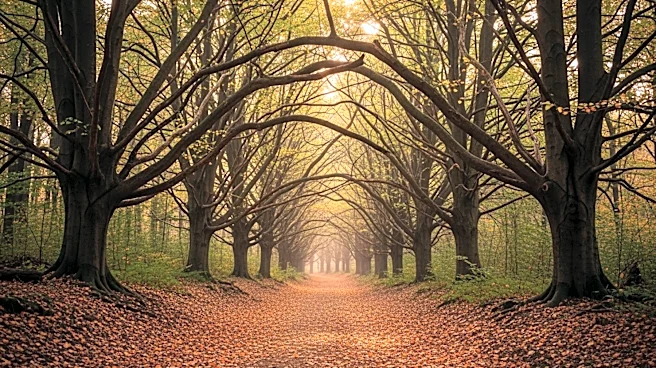
forests to the northern coniferous forests, the trail offers a glimpse into the diverse plant life that thrives in these regions. In the southern sections, hikers can find oak and tulip trees, while farther north, maples and birches become more prevalent.
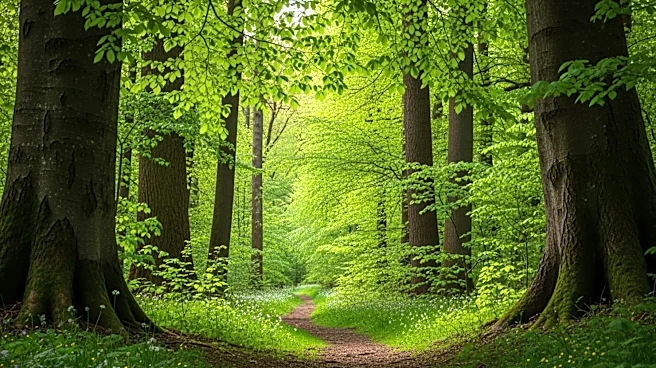
The trail also passes through several old-growth forests, such as Sages Ravine on the Massachusetts-Connecticut border and the Hopper in Massachusetts. These areas provide a rare opportunity to experience untouched natural beauty and observe the complex interactions between different plant species.
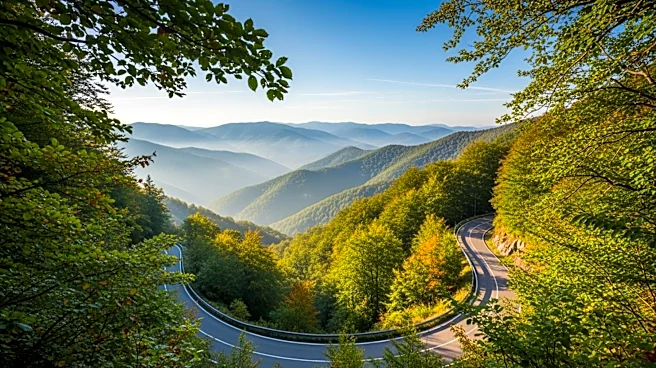
The trail's elevation changes also contribute to its biodiversity. As hikers ascend into subalpine and alpine zones, they encounter hardy plants adapted to harsh conditions, such as the Southern Appalachian spruce-fir forest in the Great Smoky Mountains.
Wildlife Along the Trail
The Appalachian Trail is home to a wide variety of wildlife, including some of the largest animals in the region. The American black bear, for example, can be found throughout the trail, although sightings are relatively rare. Other large mammals include deer, elk, and moose, which are more commonly seen in the northern sections of the trail.
The trail is also home to several species of venomous snakes, such as the Eastern timber rattlesnake and copperhead. These snakes are generally found in drier, rockier sections of the trail, and hikers are advised to exercise caution when traversing these areas.
Birdwatchers will find plenty to enjoy along the trail, with species such as wild turkey, ruffed grouse, and various hawks and owls making their homes in the forests. The trail's diverse habitats provide ample opportunities for birdwatching and observing other small mammals, such as squirrels, chipmunks, and raccoons.
Conservation Efforts
The Appalachian Trail Conservancy, along with various governmental and non-governmental organizations, works tirelessly to protect the trail's natural resources. These efforts include monitoring and managing the trail's ecosystems to ensure the preservation of its unique flora and fauna.
Trail volunteers play a crucial role in these conservation efforts, helping to maintain the trail and protect its natural habitats. Their work includes monitoring wildlife populations, managing invasive species, and educating hikers about the importance of conservation.
The Appalachian Trail is more than just a path through the woods; it is a living ecosystem that supports a diverse array of plant and animal life. Its conservation is vital to preserving the natural beauty and biodiversity of the Eastern United States, ensuring that future generations can continue to enjoy this remarkable natural haven.