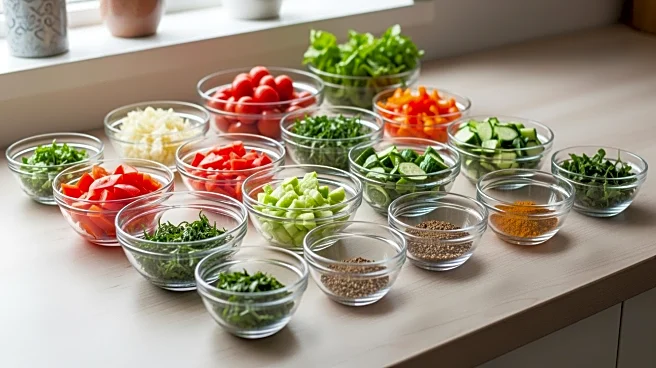

Mise en place, a French term meaning "putting in place," is a fundamental concept in the culinary world. It refers to the meticulous organization and preparation of ingredients before cooking begins. This
practice is not only a hallmark of professional kitchens but also a crucial element in ensuring efficiency and precision during meal preparation. By understanding the principles of mise en place, one can appreciate its impact on the culinary arts and its application beyond the kitchen.
The Role of Mise en Place in Professional Kitchens
In professional kitchens, mise en place is more than just a preparatory step; it is a philosophy that underpins the entire cooking process. Chefs meticulously organize and arrange ingredients such as cuts of meat, sauces, spices, and vegetables before the cooking begins. This preparation ensures that everything needed for a dish is readily available, allowing chefs to focus on the cooking itself without unnecessary interruptions.
The practice of mise en place is essential for maintaining the high standards expected in professional kitchens. It allows chefs to work efficiently, reducing the time spent searching for ingredients or tools. This efficiency is particularly important during busy service periods when every second counts. By having everything in place, chefs can execute dishes with precision and consistency, ensuring that each plate meets the restaurant's standards.
Mise en Place as a State of Mind
Beyond its practical applications, mise en place is also considered a state of mind. It embodies a sense of discipline and organization that extends beyond the physical arrangement of ingredients. Chefs who embrace this mindset approach their work with a focus on preparation and planning, which can lead to greater creativity and innovation in the kitchen.
This state of mind encourages chefs to think ahead and anticipate potential challenges, allowing them to adapt quickly to changing circumstances. By fostering a culture of preparedness, mise en place helps chefs maintain control and composure, even in the most demanding environments. This mental discipline is a key factor in the success of many professional kitchens.
Extending Mise en Place Beyond the Kitchen
While mise en place is rooted in the culinary world, its principles can be applied to various fields. The concept of organizing and preparing in advance can be beneficial in classrooms, hospitals, and IT departments, among others. By adopting a mise en place approach, individuals in these fields can improve efficiency and productivity.
In education, for example, teachers can use mise en place to organize lesson plans and materials, ensuring that they are prepared for each class. In healthcare, medical professionals can apply the concept to streamline patient care processes, reducing wait times and improving outcomes. The versatility of mise en place demonstrates its value as a universal tool for enhancing organization and efficiency across different domains.