


Wrinkles are an inevitable part of aging, but there are several strategies to prevent or reduce their appearance. By understanding the factors that contribute to wrinkle formation, individuals can adopt lifestyle changes and skincare routines that promote healthier, more resilient skin.
Sun Protection and Skincare
One of the most effective ways to prevent wrinkles is by protecting the skin from sun damage. Ultraviolet (UV) rays can accelerate the breakdown of collagen and elastin,
leading to premature aging. To minimize sun exposure, it is advisable to wear broad-spectrum sunscreen with a high SPF, even on cloudy days. Additionally, wearing protective clothing and seeking shade during peak sun hours can further reduce the risk of photoaging.
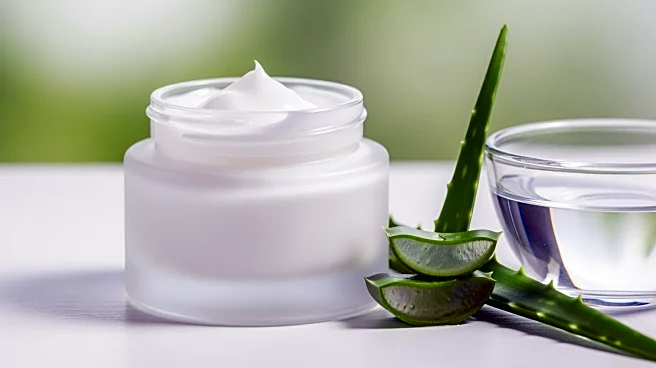
Incorporating a skincare routine that includes antioxidants can also help in preventing wrinkles. Ingredients such as carotenoids, tocopherols, and flavonoids can protect the skin from oxidative stress and support collagen production. Regular use of moisturizers can keep the skin hydrated, maintaining its elasticity and reducing the likelihood of wrinkle formation.
Healthy Lifestyle Choices
A healthy diet plays a crucial role in maintaining youthful skin. Consuming foods rich in vitamins A, C, D, and E, as well as essential omega-3 fatty acids, can support skin health and prevent wrinkles. These nutrients help in collagen synthesis and protect the skin from environmental damage.
Avoiding smoking is another important lifestyle choice for wrinkle prevention. The chemicals in tobacco smoke can damage the skin's structure, leading to sagging and wrinkles. Additionally, the repetitive facial movements associated with smoking can contribute to the formation of lines around the mouth.
Sleep and Stress Management
Sleep positions can also influence wrinkle formation. Sleeping on the back is recommended to minimize sleep wrinkles, which result from mechanical compression of the skin against the pillow. Using low-friction pillowcases made of materials like silk or satin can reduce skin drag and shear, potentially slowing the progression of sleep wrinkles.
Managing stress is essential for overall skin health. Chronic stress can lead to the release of cortisol, a hormone that breaks down collagen and accelerates aging. Incorporating stress-reducing practices such as meditation, yoga, or regular exercise can help maintain a youthful appearance.
By adopting these preventive measures, individuals can reduce the risk of developing wrinkles and maintain healthier, more vibrant skin. While aging is a natural process, taking proactive steps can significantly impact the skin's appearance over time.