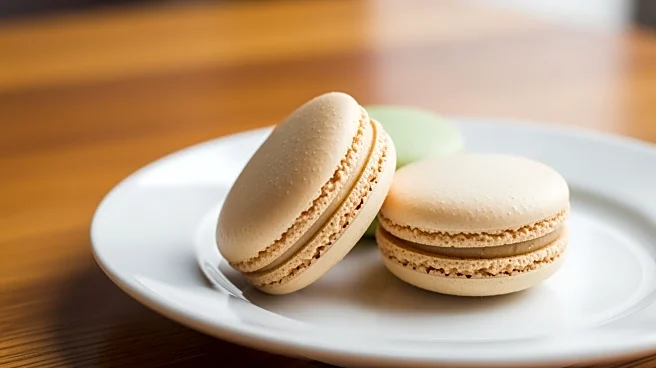

Macarons are more than just a sweet treat; they are a cultural icon in French patisserie. Known for their delicate texture and vibrant colors, macarons have become synonymous with French culinary excellence.
Their presence in patisseries across France and beyond highlights their significance in the world of desserts.
Symbol of French Elegance
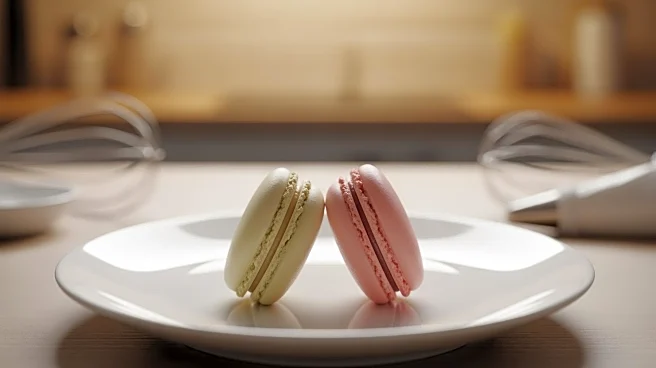
The macaron's association with French elegance is undeniable. With its smooth top and ruffled edge, the macaron embodies the sophistication and artistry of French baking. The treat's aesthetic appeal is matched by its delicate flavor, making it a favorite among those who appreciate fine desserts.
In Paris, the macaron is celebrated as a symbol of the city's culinary prowess. Patisseries like Ladurée have elevated the macaron to an art form, offering a wide array of flavors that cater to diverse tastes. From traditional options like raspberry and chocolate to more exotic choices like foie gras, the macaron's versatility is a testament to its cultural significance.
A Staple in French Celebrations
Macarons are often featured in French celebrations, adding a touch of elegance to any occasion. Whether it's a wedding, birthday, or holiday gathering, macarons are a popular choice for dessert tables. Their vibrant colors and delicate flavors make them a festive addition to any event.
The macaron's role in French celebrations extends beyond its presence at parties. It is also a popular gift, often packaged in beautiful boxes that reflect its luxurious nature. Giving macarons as a gift is a gesture of appreciation and a nod to French culinary tradition.
Global Influence and Adaptation
While macarons are deeply rooted in French culture, their influence has spread worldwide. In the United States, macarons have become a trendy dessert, with bakeries offering innovative flavors like mint chocolate chip and salted caramel popcorn. This adaptation of the macaron reflects its ability to transcend cultural boundaries and appeal to a global audience.
In Japan, macarons are embraced as a fashionable confection, often featured in cell phone accessories and cosmetics. The treat's popularity in Japan highlights its cultural impact and the way it has been integrated into everyday life. Similarly, in India, macarons are made with cashews instead of almonds, showcasing the treat's adaptability to local tastes.
The macaron's journey from a French delicacy to a global icon is a testament to its cultural significance. As a symbol of elegance and culinary excellence, the macaron continues to captivate dessert lovers around the world.