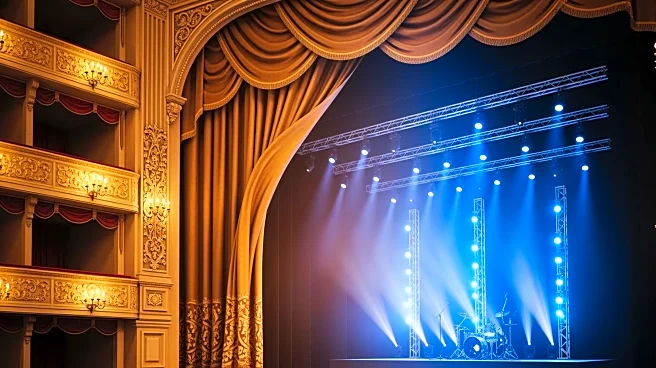


The Boulder Theater, located in Boulder, Colorado, has a rich history that reflects its transformation from an opera house to a modern live music venue. Originally opened in 1906 as the Curran Opera House, the theater has undergone significant changes over the years, adapting to the evolving entertainment landscape. Today, it stands as a testament to the enduring appeal of live performances and the cultural significance of historic venues.
The Early Years: Curran Opera House
The Boulder
Theater began its journey as the Curran Opera House in 1906. During this period, opera houses were popular cultural hubs, offering a space for theatrical performances and musical events. The Curran Opera House was no exception, serving as a focal point for the arts in Boulder. Its establishment marked the beginning of a long-standing tradition of entertainment in the area.
As the years progressed, the theater adapted to the changing tastes of the public. The rise of cinema in the early 20th century led many opera houses to incorporate film screenings into their offerings. This shift was a pivotal moment for the Boulder Theater, as it transitioned from a traditional opera house to a venue that embraced the burgeoning film industry.
Transition to a Movie Theater
The transformation of the Boulder Theater into a movie theater was a natural progression, reflecting broader trends in entertainment. As movies gained popularity, the theater began to focus more on film screenings, catering to the growing demand for cinematic experiences. This change allowed the Boulder Theater to remain relevant and continue attracting audiences.
The art-deco architecture of the theater, which became a defining feature during this era, added to its charm and appeal. The design not only enhanced the aesthetic value of the venue but also contributed to its identity as a cultural landmark in Boulder. The theater's ability to adapt to new forms of entertainment while maintaining its architectural integrity is a testament to its resilience and historical significance.
A Modern Live Music Venue
Today, the Boulder Theater is celebrated as a live music venue, hosting a variety of performances that draw audiences from near and far. Its transition from a movie theater to a music venue reflects the dynamic nature of entertainment and the theater's ability to evolve with the times. The venue's art-deco architecture continues to be a highlight, providing a unique backdrop for live performances.
The Boulder Theater's journey from an opera house to a modern music venue underscores the importance of adaptability in the entertainment industry. By embracing change and preserving its historical roots, the theater has secured its place as a beloved cultural institution in Boulder, Colorado. Its story is a reminder of the enduring power of live entertainment and the significance of preserving historic venues for future generations.