




The Second Bank of the United States is not only significant for its role in American financial history but also for its architectural grandeur. Designed by William Strickland, a prominent architect of the Greek Revival style, the bank's building in Philadelphia stands as a testament to early 19th-century American architecture. This article delves into the architectural features of the bank and its enduring legacy as a historical landmark.
Architectural Design and Features
The Second
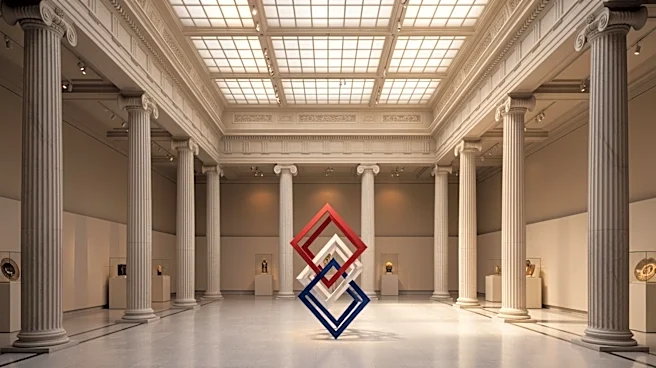
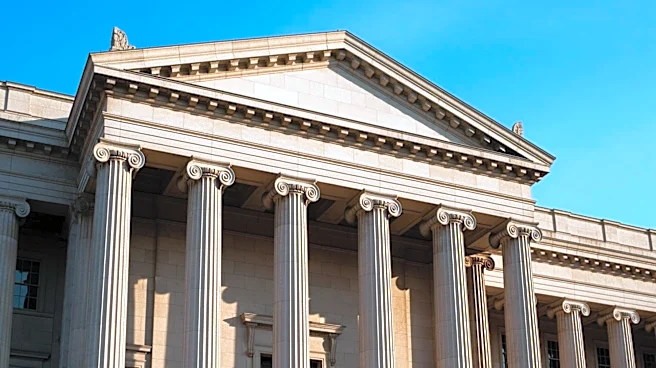
Bank of the United States was designed by William Strickland, who was heavily influenced by the Greek Revival style. This architectural movement sought to emulate the grandeur and simplicity of ancient Greek structures, which were seen as symbols of democracy and civic virtue. Strickland's design for the bank was inspired by the Parthenon in Athens, featuring a grand facade with eight Doric columns and a triangular pediment.
The building's exterior was constructed using Pennsylvania blue marble, giving it a stately and imposing appearance. The north and south facades are characterized by large steps leading up to the main level, known as the stylobate, which enhances the building's temple-like presence. Inside, the bank features a central hallway flanked by rooms on either side, with large arched windows providing natural light. The use of Greek Revival elements in the bank's design reflects the era's fascination with classical antiquity and its ideals.
Historical Significance and Preservation
The Second Bank of the United States played a crucial role in the nation's financial system from 1816 to 1836. However, its architectural significance has ensured its preservation long after its dissolution. The building is part of Independence National Historical Park in Philadelphia and serves as an art gallery housing portraits of prominent early Americans, including a wooden statue of George Washington by William Rush.
In 1987, the building was designated a National Historic Landmark, recognizing its architectural and historical importance. The preservation of the bank's structure allows visitors to appreciate the craftsmanship and design principles of the early 19th century. It also serves as a reminder of the bank's role in shaping the nation's financial landscape and the political battles that surrounded its existence.
Legacy and Influence
The architectural legacy of the Second Bank of the United States extends beyond its physical structure. As one of the earliest examples of Greek Revival architecture in America, it set a precedent for future public buildings, including other financial institutions and government structures. Strickland's work on the bank influenced the design of subsequent buildings, such as the Mechanics National Bank and the U.S. Mint in Philadelphia.
The bank's design also reflects the broader cultural and political aspirations of the United States during the early 19th century. By adopting the Greek Revival style, the bank's architecture symbolized the nation's commitment to democratic ideals and its desire to establish a distinct American identity. Today, the Second Bank of the United States stands as a monument to these aspirations, offering insight into the architectural and historical context of its time.
The Second Bank of the United States remains a significant architectural and historical landmark, embodying the ideals and challenges of early American society. Its preservation and continued use as a cultural site ensure that its legacy endures, providing future generations with a window into the nation's past.