
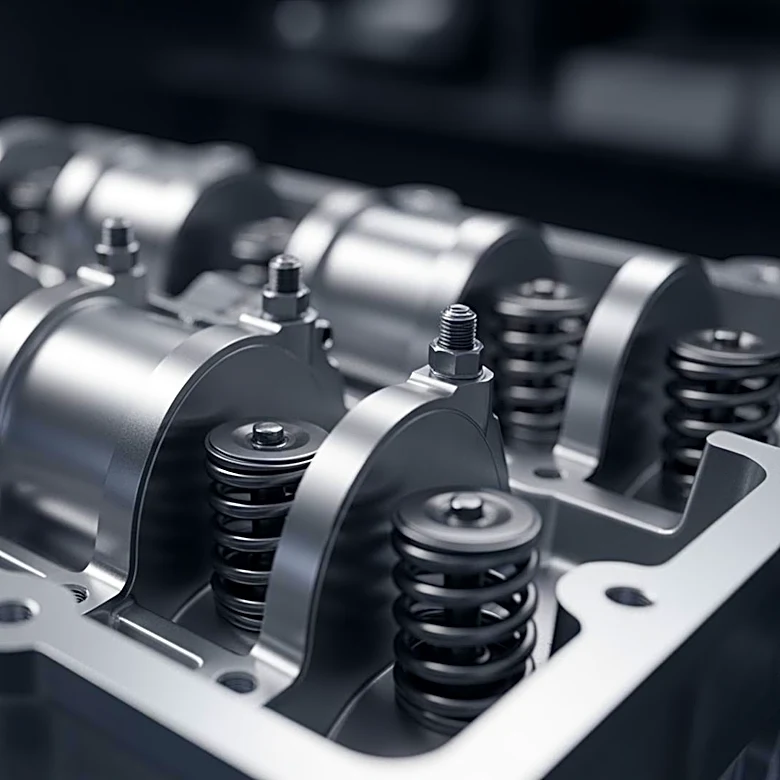



Variable valve timing (VVT) has revolutionized the internal combustion engine by allowing for more efficient and powerful performance. This technology adjusts the timing of the engine's valves, optimizing the engine's operation across different speeds and loads. Over the years, various manufacturers have developed their own VVT systems, each with unique features and capabilities. This article delves into the historical development of VVT systems, highlighting
key advancements and innovations.
Early Developments in VVT
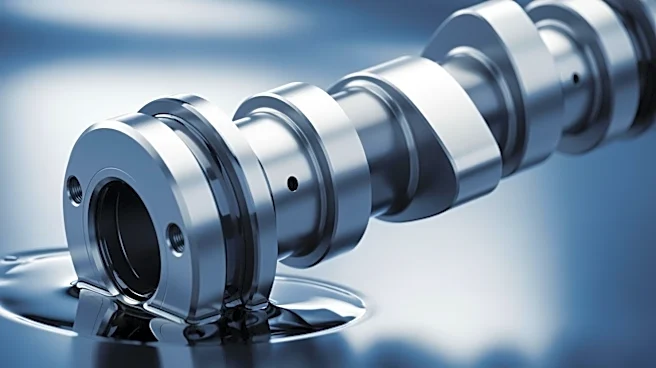
The concept of variable valve timing began to take shape with the introduction of the variator system. This early VVT system was relatively simple, focusing on changing the phase of the camshaft and valves. While it could not alter the duration or lift of the valve opening, it was a significant step forward in engine technology. The variator system was particularly appealing because it could be easily added to existing engines, making it a practical choice for manufacturers.
Alfa Romeo was a pioneer in bringing VVT to production cars. In 1980, they introduced a mechanical VVT system in the Alfa Romeo Spider 2.0 L, which was later used in other models like the Alfetta 2.0 Quadrifoglio Oro. This system, known as the variatore di fase, was a testament to Alfa Romeo's innovative spirit and laid the groundwork for future developments in VVT technology.
Advancements in VVT Technology
As the automotive industry evolved, so did VVT systems. Manufacturers began to explore more sophisticated methods of controlling valve timing. Systems like the helical camshaft and movable fulcrum allowed for changes in valve duration and lift, providing even greater flexibility and efficiency. These advancements enabled engines to deliver high power while maintaining efficiency at lower speeds.
Volkswagen, for example, developed a variator system with two variators, one for each camshaft. This system, used in engines like the VR5 and VR6, featured a direct rotational action, enhancing the precision and responsiveness of valve timing adjustments. The use of hydraulic pressure and electronic control further refined the performance of VVT systems, making them more reliable and effective.
The Impact of VVT on Modern Engines
Today, VVT systems are a standard feature in many vehicles, contributing to improved fuel efficiency, reduced emissions, and enhanced performance. The ability to optimize valve timing for different driving conditions allows engines to operate more smoothly and efficiently. This has significant implications for both environmental sustainability and driving experience.
Manufacturers continue to innovate, developing new VVT systems that offer even greater control and precision. As technology advances, we can expect VVT systems to play an increasingly important role in the automotive industry, driving further improvements in engine performance and efficiency.