




Anti-lock braking systems (ABS) are a crucial safety feature in modern vehicles, designed to prevent the wheels from locking up during intense braking. This system ensures that the vehicle remains controllable, allowing drivers to steer safely even in emergency situations. By maintaining traction with the road surface, ABS helps to avoid skidding, which can lead to accidents.
How ABS Works
An anti-lock braking system operates by using sensors to monitor the speed
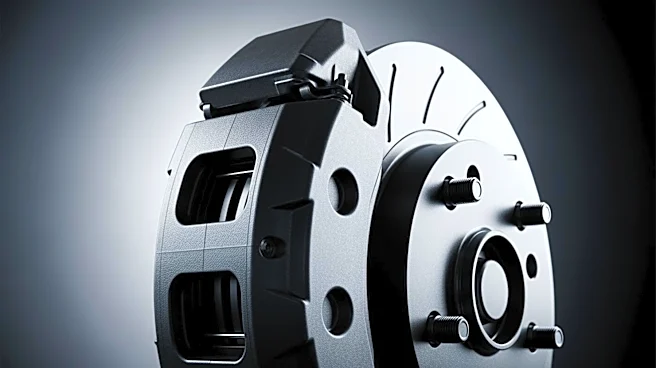
of each wheel. When the system detects that a wheel is about to lock up, it modulates the brake pressure to that wheel. This modulation happens rapidly, allowing the wheel to continue rotating and maintaining traction with the road. The process involves a series of pumps and valves that adjust the brake pressure multiple times per second.
The primary goal of ABS is to keep the vehicle controllable during hard braking. Without ABS, wheels can lock up, causing the vehicle to skid and making it difficult to steer. By preventing wheel lock-up, ABS allows the driver to maintain steering control, which is especially important on slippery surfaces like wet or icy roads.
Benefits of ABS
The most significant benefit of ABS is improved vehicle control during emergency braking situations. By preventing skidding, ABS reduces the risk of accidents caused by loss of control. This system is particularly beneficial in adverse weather conditions, where road surfaces can be slippery and unpredictable.
ABS also contributes to shorter stopping distances in many situations. While the system is primarily designed to maintain control, it can also help bring the vehicle to a stop more quickly by optimizing the braking force applied to each wheel. This can be crucial in avoiding collisions, especially in high-speed scenarios.
ABS in Different Vehicles
Anti-lock braking systems are not limited to cars; they are also used in motorcycles and other vehicles. In motorcycles, ABS is particularly important because two-wheeled vehicles are more prone to skidding and losing balance during hard braking. The system works similarly to that in cars, adjusting brake pressure to prevent wheel lock-up and maintain stability.
In larger vehicles, such as trucks and buses, ABS plays a vital role in ensuring safety. These vehicles have a higher center of gravity and are more challenging to control during emergency stops. ABS helps to prevent jackknifing and other dangerous situations by maintaining traction and control.
Overall, the anti-lock braking system is a critical component of vehicle safety, providing drivers with the ability to maintain control and avoid accidents in challenging driving conditions.