




The Stade de Gerland in Lyon, France, has undergone significant transformations since its inception in the early 20th century. Originally designed with a cycling track, the stadium has evolved to meet the demands of international sporting events, including the 1998 FIFA World Cup. This article delves into the historical development of Stade de Gerland, highlighting key renovations that have shaped its current form.
Early Beginnings and Initial Design
The idea for Stade de Gerland was
conceived in 1910 by Lyon's mayor, Édouard Herriot, who envisioned a sports stadium complete with an athletics track and velodrome. Construction began in 1914 under the guidance of architect Tony Garnier. However, World War I interrupted progress, and it wasn't until 1920 that the stadium became fully functional. By 1926, it was officially inaugurated by Herriot.
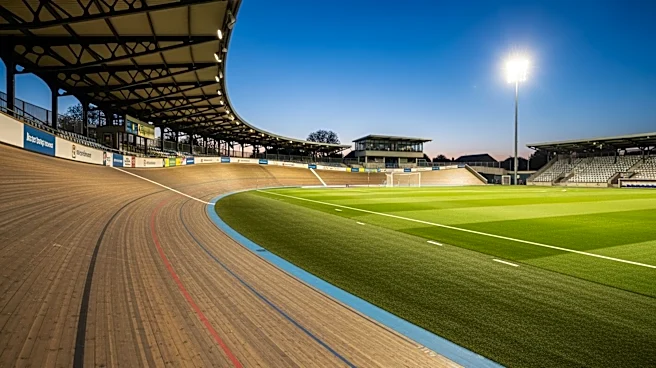
Initially, the stadium featured a cycling track, reflecting the era's sporting interests. This design served the community well for several decades, hosting various local events. However, as international sports gained prominence, the need for a larger seating capacity became apparent.
Renovations for International Events
The first major renovation occurred in 1984, when architect Rene Gagis updated the stadium for UEFA Euro 1984. This included the construction of the Jean Bouin and Jean Jaurès stands, enhancing the stadium's capacity and facilities. These changes marked the beginning of Stade de Gerland's transformation into a venue capable of hosting major international events.
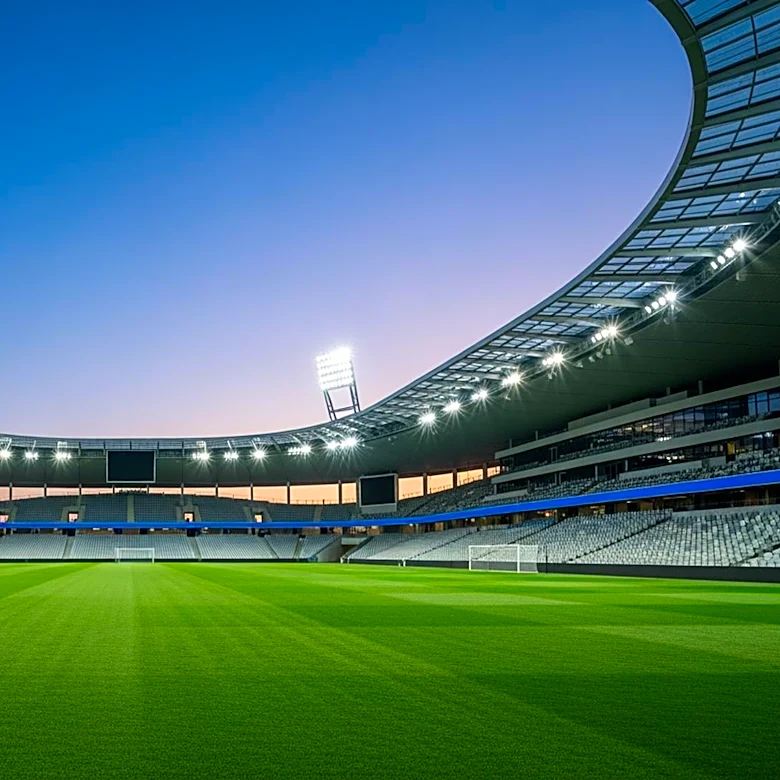
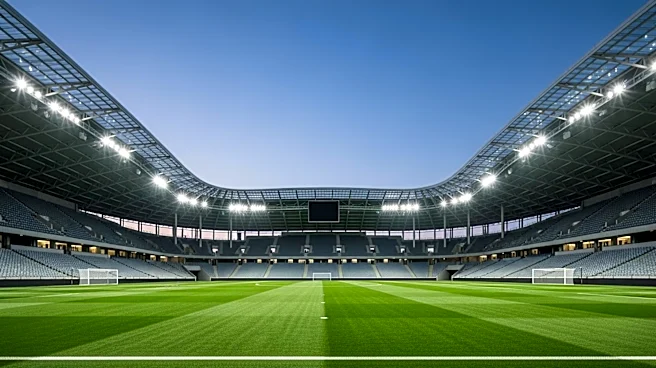
Further renovations were necessary for the 1998 FIFA World Cup. By this time, FIFA required all stadiums used for international matches to be all-seated. Architect Albert Constantin led the efforts to dismantle and rebuild the north and south stands, while the Jean Jaurès and Jean Bouin side stands remained untouched. The removal of the athletics track, which had persisted even after the cycling track was removed, allowed for increased seating capacity, reaching a maximum of 40,500.
Hosting the 1998 FIFA World Cup
The renovations proved crucial as Stade de Gerland became one of the venues for the 1998 FIFA World Cup. The stadium hosted several matches, including the notable game between the United States and Iran. This event highlighted Stade de Gerland's ability to accommodate large crowds and international attention.
The transformation of Stade de Gerland from a local sports venue to a world-class stadium reflects the broader trends in sports infrastructure development. Its evolution underscores the importance of adapting to the changing demands of international sports, ensuring that venues remain relevant and capable of hosting prestigious events.