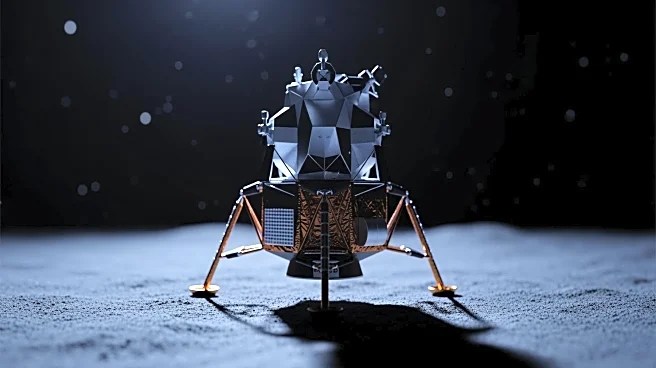




Apollo 5, launched on January 22, 1968, was a pivotal mission in NASA's Apollo program, aimed at testing the capabilities of the Apollo Lunar Module (LM). As the first uncrewed test flight of the LM, Apollo 5 was designed to verify the operation of its subsystems and engines, ensuring the module's readiness for future crewed lunar missions.
Key Objectives and Tests
The primary objective of Apollo 5 was to test the LM's subsystems, including its ascent and descent engines.
A critical component of the mission was the "fire in the hole" test, which verified that the ascent stage could fire while still attached to the descent stage. This procedure was essential for lunar surface operations and potential aborted landings.
The mission also aimed to test the restart capability of the LM engines after initial use. Additionally, Apollo 5 was tasked with testing the Instrument Unit in its Saturn V configuration. Despite encountering programming issues that led to an alternate mission plan, the mission successfully achieved its objectives, demonstrating the reliability of the LM systems.
Overcoming Technical Challenges
Apollo 5 faced several technical challenges during its preparation and execution. The LM, manufactured by Grumman Aircraft, experienced delays due to manufacturing difficulties. Once the LM-1 arrived at Kennedy Space Center, it underwent extensive testing and modifications to ensure it met specifications.
Leaks in the LM's ascent stage required demating and remating of the stages for repairs. These issues persisted, with additional leaks discovered in September 1967, necessitating further repairs. Despite these challenges, NASA pressed forward, with Mission Director William C. Schneider issuing mission rules in November 1967, leading to a successful launch on January 22, 1968.
The Impact of Apollo 5's Success
The success of Apollo 5 was a significant milestone for NASA, as it demonstrated the functionality of the LM systems, allowing the agency to cancel a planned second uncrewed test flight. This advancement accelerated NASA's timeline for landing astronauts on the Moon by the end of the 1960s.
The mission's success was attributed to the robust hardware and the outstanding flight control teams led by Flight Director Gene Kranz. Although the mission encountered issues during the descent-engine burn, NASA deemed it successful in achieving its objectives. Apollo 5's legacy continued with the first crewed LM flight on Apollo 9 in March 1969, bringing NASA closer to fulfilling its lunar ambitions.