

Energy recovery systems have played a crucial role in the success of Mercedes' Formula One engines. These systems, which include the Motor Generator Unit-Kinetic (MGU-K) and the Motor Generator Unit-Heat (MGU-H), have allowed Mercedes to maximize performance and efficiency on the track. This article delves into the significance of these systems and their impact on Mercedes' dominance in Formula One.
Understanding Energy Recovery Systems
The introduction of energy recovery systems in Formula
One marked a significant shift in engine technology. The MGU-K and MGU-H are integral components of the Mercedes V6 hybrid power unit, each serving a distinct purpose. The MGU-K recovers energy during braking, converting kinetic energy into electrical energy that can be stored and used to boost acceleration.
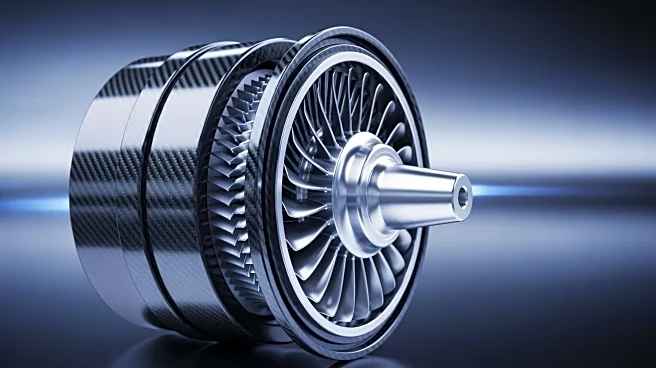
The MGU-H, on the other hand, is connected to the turbocharger and serves to eliminate turbo lag. By keeping the turbocharger spinning at lower engine speeds, the MGU-H ensures a more immediate throttle response, enhancing the car's performance. Additionally, it recovers waste energy from the exhaust, further improving efficiency.
Impact on Performance and Efficiency
The integration of energy recovery systems has been a game-changer for Mercedes in Formula One. These systems have allowed the team to extract maximum performance from their engines while adhering to strict fuel flow regulations. The ability to recover and reuse energy has given Mercedes a competitive edge, enabling them to maintain high speeds without compromising on fuel efficiency.
The success of these systems is evident in Mercedes' track record. Since the introduction of the V6 hybrid engine in 2014, Mercedes-powered cars have consistently outperformed their rivals, securing numerous race wins and championships. The energy recovery systems have been instrumental in this success, providing a significant boost in power and efficiency.
The Future of Energy Recovery in Formula One
As Formula One continues to evolve, energy recovery systems will remain a key focus for teams looking to gain a competitive advantage. While the MGU-H is set to be eliminated in 2026, the MGU-K will see an increase in output, highlighting the ongoing importance of energy recovery in the sport.
Mercedes' pioneering work in this area has set a benchmark for other teams to follow. The innovations in energy recovery systems have not only contributed to Mercedes' success but have also influenced the broader landscape of Formula One. As the sport moves towards more sustainable technologies, the role of energy recovery systems will continue to be a critical factor in determining success on the track.