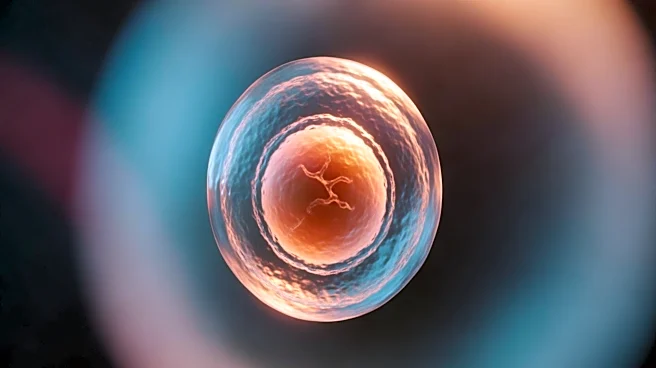

Egg cells, or ova, play a crucial role in the reproductive processes of many animals. These cells are the female gametes, essential for sexual reproduction. Understanding their function and development
provides insight into the complex mechanisms of life. This article delves into the role of egg cells in animal reproduction, focusing on their formation, fertilization, and the subsequent development of new organisms.
Formation of Egg Cells
In animals, egg cells are produced by the female gonads, known as ovaries. These cells are present at birth in mammals and mature through a process called oogenesis. Oogenesis is a vital biological process that ensures the development of mature ova capable of being fertilized by male gametes, or sperm. The maturation of these cells is a complex process that involves several stages, each crucial for the successful reproduction of the species.
The development of egg cells begins with primitive germ cells embedded in the ovaries. These cells undergo a series of divisions and transformations, eventually forming mature ova. This process is tightly regulated and ensures that a finite number of egg cells are available for fertilization throughout the reproductive life of the female.
Fertilization and Zygote Formation
Fertilization is the process where the male and female gametes fuse to form a new organism. In mammals, this occurs inside the female body. The fusion of the sperm and egg cell results in the formation of a diploid cell known as a zygote. This zygote is the first stage in the development of a new organism, containing genetic material from both parents.
The zygote undergoes rapid cell division and growth, eventually developing into a new individual. This process is fundamental to the continuation of species and highlights the importance of egg cells in reproduction. The successful fusion of gametes and the formation of a zygote are critical steps in the reproductive cycle, ensuring genetic diversity and the survival of species.
Variations in Egg Cell Development
Different animal species exhibit variations in the development and fertilization of egg cells. In oviparous animals, such as birds and reptiles, the ova develop protective layers and are fertilized either inside or outside the female body. These eggs contain nutrients to support the embryo's development until it hatches.
In contrast, ovoviviparous animals, like some fish and reptiles, develop embryos within eggs that hatch inside the mother's body. This method provides additional protection and nourishment to the developing embryo. These variations demonstrate the adaptability of reproductive strategies across different species, highlighting the diverse roles that egg cells play in the animal kingdom.
Understanding the role of egg cells in animal reproduction provides valuable insights into the biological processes that sustain life. From their formation to fertilization and development, egg cells are central to the continuation of species, showcasing the complexity and diversity of life on Earth.