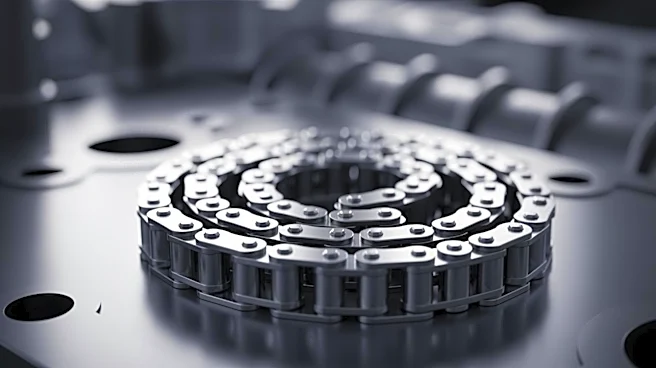

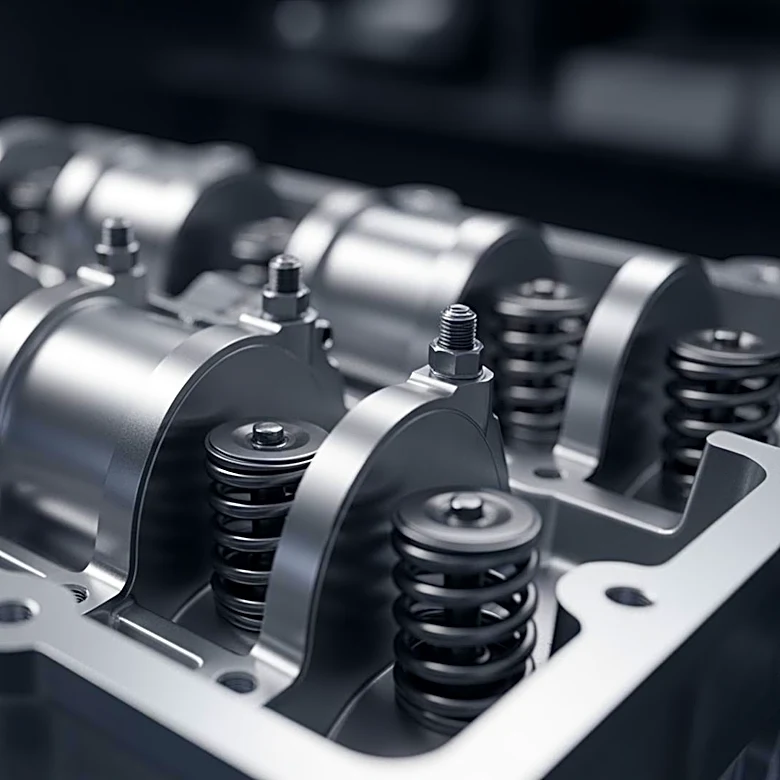
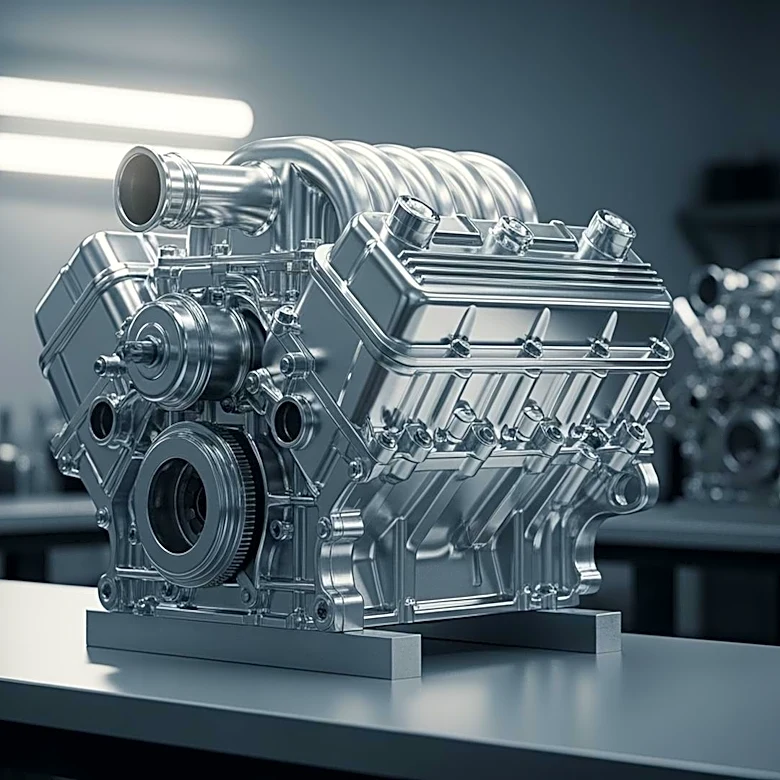



Timing chains are a crucial component in the operation of modern automotive engines. They are responsible for synchronizing the camshaft and crankshaft, ensuring that the engine's valves open and close at the correct times during each cylinder's intake and exhaust strokes. This synchronization is vital for the engine to run smoothly and efficiently. Unlike timing belts, timing chains are made of metal, which provides them with greater durability and longevity.
The Function of Timing Chains
Timing chains play a pivotal role in the internal combustion engine by maintaining the precise timing of the engine's valves. The camshaft and crankshaft must rotate in perfect harmony to ensure that the engine's pistons do not collide with the valves. This synchronization is achieved through the use of a timing chain, which connects the two shafts. The chain's metal construction allows it to withstand the high temperatures and stresses of engine operation, making it a reliable choice for many manufacturers.
In addition to their durability, timing chains require less frequent maintenance compared to timing belts. While timing belts typically need to be replaced every 60,000 to 100,000 miles, timing chains can last much longer, often the lifetime of the engine, if properly maintained. This longevity is a significant advantage for vehicle owners, as it reduces the need for costly repairs and maintenance.
Advantages Over Timing Belts
One of the primary advantages of timing chains over timing belts is their durability. Made from metal, timing chains are less prone to wear and tear, which can be a common issue with rubber timing belts. This durability means that timing chains are less likely to fail unexpectedly, reducing the risk of engine damage.
Timing chains also offer improved performance in high-stress environments. They are better suited to handle the demands of high-performance engines, where the increased power output can put additional strain on the timing mechanism. This makes them a popular choice for sports cars and other high-performance vehicles.
Potential Issues and Maintenance
Despite their advantages, timing chains are not without their potential issues. Over time, they can stretch or wear, leading to a loss of synchronization between the camshaft and crankshaft. This can result in poor engine performance, increased emissions, and even engine damage if not addressed promptly.
Regular maintenance is essential to ensure the longevity of a timing chain. This includes checking the chain for signs of wear and ensuring that it is properly lubricated. In some cases, the tensioner, which keeps the chain tight, may also need to be replaced to maintain optimal performance.
In conclusion, timing chains are a vital component of modern engines, offering durability and reliability that make them a preferred choice over timing belts. With proper maintenance, they can provide years of trouble-free operation, ensuring that the engine runs smoothly and efficiently.