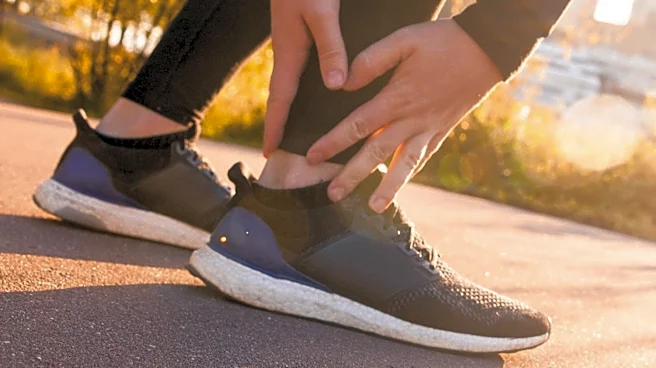

Overuse injuries are a common concern for runners, affecting about half of them annually. These injuries result from repetitive impact and strain on the body, often due to improper running form or sudden
increases in running intensity. Understanding the causes and prevention of these injuries is crucial for anyone involved in running, whether recreationally or competitively.
Causes of Overuse Injuries
Overuse injuries in running are primarily caused by repetitive impact between the foot and the ground. This repetitive motion can lead to stress on the muscles, tendons, and bones, especially if the runner's form is not optimal. Improper running form can cause the force of impact to be distributed unevenly throughout the body, increasing the risk of injury. Fatigue can exacerbate this issue, as it often leads to a deterioration in running form, further increasing the likelihood of injury.
Another significant factor contributing to overuse injuries is the sudden increase in running intensity or mileage. When runners increase their weekly running distance by more than 30% between consecutive weeks, they significantly raise their risk of injury. This is because the body needs time to adapt to increased physical demands, and a rapid escalation can overwhelm the body's ability to recover, leading to injuries such as stress fractures and tendinitis.
Common Overuse Injuries
Several specific injuries are commonly associated with overuse in runners. Shin splints, or Medial Tibial Stress Syndrome, is one such injury, characterized by pain along the shinbone due to inflammation. This condition is prevalent among runners, dancers, and military personnel, particularly those who frequently run on hard surfaces like concrete or asphalt.
Stress fractures are another common overuse injury, resulting from accumulated stress on the bones over time. These small cracks, often referred to as hairline fractures, typically occur in weight-bearing bones of the lower extremities, such as the tibia and metatarsals. Achilles tendinitis, characterized by inflammation of the Achilles tendon, is also prevalent among runners, especially those with tight calf muscles.
Prevention Strategies
Preventing overuse injuries involves several strategies focused on proper running form and gradual increases in running intensity. Ensuring a symmetrical gait and maintaining good form, even when fatigued, can help distribute impact forces more evenly and reduce injury risk. Runners should also be mindful of their footwear, as worn-out shoes can increase the risk of injury. Regularly replacing running shoes and choosing footwear that supports proper foot strike patterns can be beneficial.
Additionally, runners should avoid sudden increases in running intensity or mileage. Gradually building up distance and speed allows the body to adapt and recover, reducing the risk of overuse injuries. Incorporating rest days and cross-training into a running routine can also help prevent injuries by allowing the body time to recover and strengthening different muscle groups.