


The Indianapolis Motor Speedway has long been a center of technological innovation in the world of motorsport. Since its opening in 1909, the Speedway has been a testing ground for new technologies and ideas that have shaped the future of racing and the automotive industry. This article delves into the key innovations that have emerged from the Speedway and their impact on motorsport and beyond.
Early Innovations and Safety Improvements
The Indianapolis Motor Speedway was founded with the
vision of being a proving ground for the burgeoning automobile industry. From the outset, the Speedway was a place where manufacturers could test and showcase their latest advancements. One of the earliest innovations to emerge from the Speedway was the use of brick paving, which replaced the original gravel and tar surface. This change improved safety and performance, setting a standard for racetracks worldwide.
In the inaugural Indianapolis 500 in 1911, Ray Harroun introduced the rear-view mirror, a simple yet revolutionary device that allowed drivers to see behind them without the need for a riding mechanic. This innovation not only improved safety but also became a standard feature in consumer vehicles. Over the years, the Speedway has continued to prioritize safety, with the introduction of SAFER barriers and other measures to protect drivers and spectators.
Technological Advancements in Racing
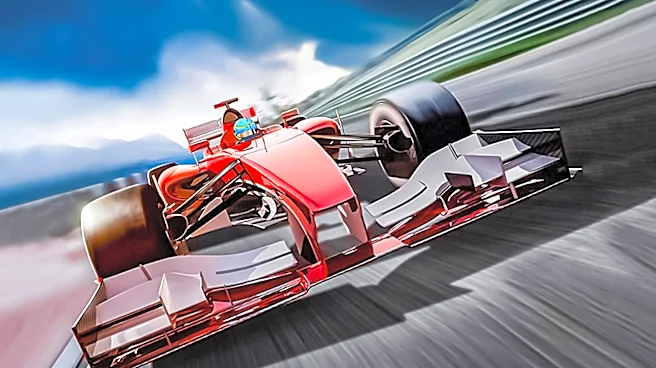
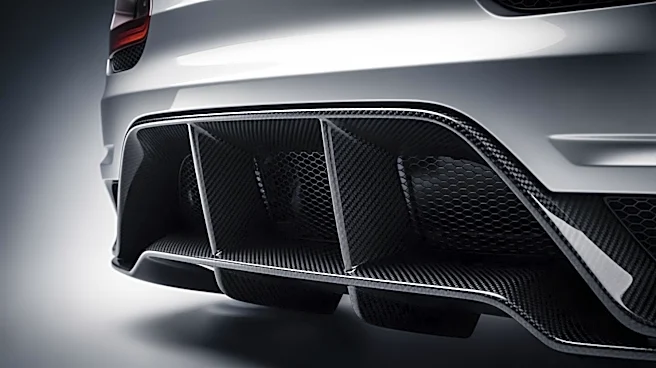
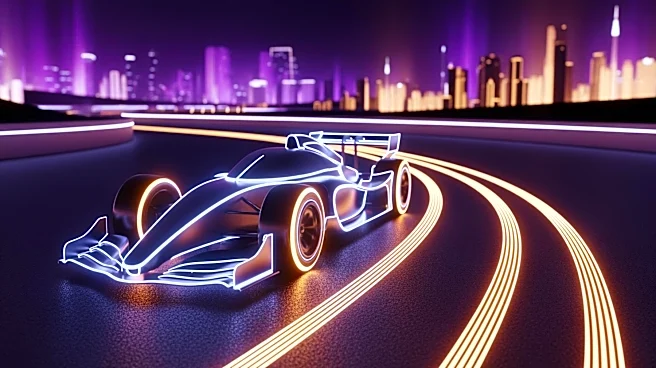
The Indianapolis Motor Speedway has been at the forefront of technological advancements in racing, with many innovations debuting at the Indianapolis 500. The introduction of turbocharged engines in the 1960s revolutionized the sport, allowing for greater speeds and improved performance. The Speedway has also been a testing ground for advancements in aerodynamics, with teams experimenting with new designs to gain a competitive edge.
The Speedway's commitment to innovation extends to its infrastructure, with the construction of the Pagoda in 2000 serving as a testament to its modern approach. This state-of-the-art control tower blends traditional design elements with cutting-edge technology, providing race control, media facilities, and hospitality suites.
Influence on the Automotive Industry
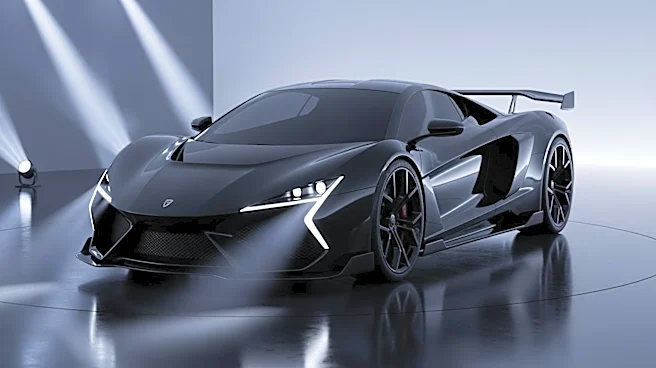
The innovations that have emerged from the Indianapolis Motor Speedway have had a lasting impact on the automotive industry. Many of the technologies tested and developed at the Speedway have found their way into consumer vehicles, improving safety, performance, and efficiency. The Speedway's role as a testing ground for new ideas has driven progress in the industry, influencing the design and development of cars worldwide.
The Speedway's influence extends beyond the racetrack, with its commitment to innovation inspiring new generations of engineers and designers. The venue's legacy as a hub of technological advancement continues to shape the future of motorsport and the automotive industry, ensuring its place as a leader in innovation.
In conclusion, the Indianapolis Motor Speedway is more than just a racing venue; it is a hub of technological innovation that has shaped the future of motorsport and the automotive industry. Its commitment to safety, performance, and progress has driven advancements that have had a lasting impact on the world of racing and beyond. As the Speedway continues to evolve, its role as a center of innovation will undoubtedly endure, inspiring new generations of racing enthusiasts and engineers.