



Miyagi Stadium, situated in Rifu, Miyagi Prefecture, Japan, is not just a sports venue but also a cultural and historical landmark. With its unique architectural design and historical connections, the stadium holds a special place in the hearts of locals and sports enthusiasts alike. This article explores the cultural and historical significance of Miyagi Stadium and its impact on the region.
Architectural Design and Cultural Symbolism
The architectural design of Miyagi Stadium is a reflection
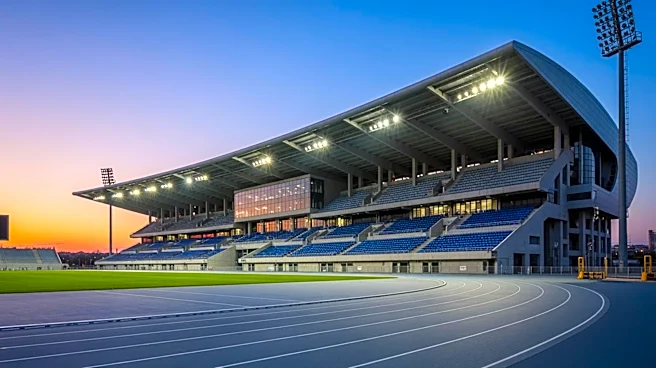
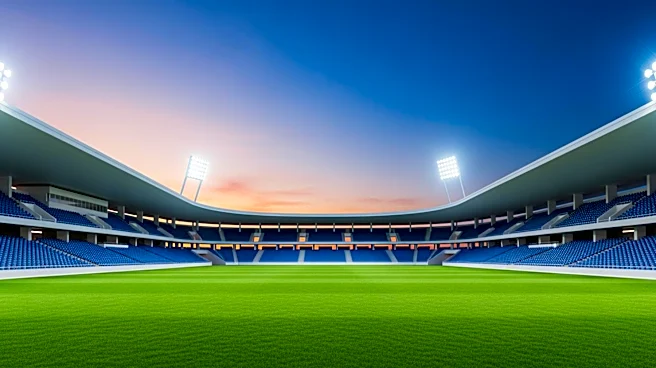
of the region's rich cultural heritage. The stadium features a crescent-shaped roof that extends beyond its edges, evoking the image of Date Masamune, a prominent daimyō of the Mutsu Province, which includes present-day Miyagi Prefecture. This design choice pays homage to the historical figure and his influence on the region.
The stadium's design not only serves a functional purpose but also acts as a cultural symbol, connecting the past with the present. By incorporating elements of local history into its architecture, Miyagi Stadium stands as a testament to the region's cultural identity and pride.
Historical Events and Milestones
Since its opening in March 2000, Miyagi Stadium has been the site of numerous historical events and milestones. It hosted the 56th National Sports Festival of Japan in 2001, marking its entry into the national sports scene. This event was a significant moment for the stadium, as it showcased its ability to host large-scale events and brought attention to the region.
The stadium's role in hosting international events, such as the 2002 FIFA World Cup and the 2012 FIFA U-20 Women's World Cup, further solidified its historical significance. These events not only highlighted the stadium's capabilities but also placed it on the global map, attracting visitors and sports enthusiasts from around the world.
Impact on the Local Community
Miyagi Stadium's cultural and historical significance extends beyond its architectural design and events. It has become a focal point for the local community, serving as a venue for various sports teams, including Vegalta Sendai, Mynavi Sendai Ladies, and Sony Sendai FC. The stadium's presence has contributed to the growth of sports in the region and provided a platform for local athletes to showcase their talents.
The stadium's impact on the local community is also evident in its role as a gathering place for residents and visitors. It hosts a variety of events, from sports matches to concerts, fostering a sense of community and bringing people together.
Miyagi Stadium's cultural and historical significance is a testament to its enduring legacy. As a landmark that bridges the past and present, it continues to play a vital role in the region's cultural and sports landscape.