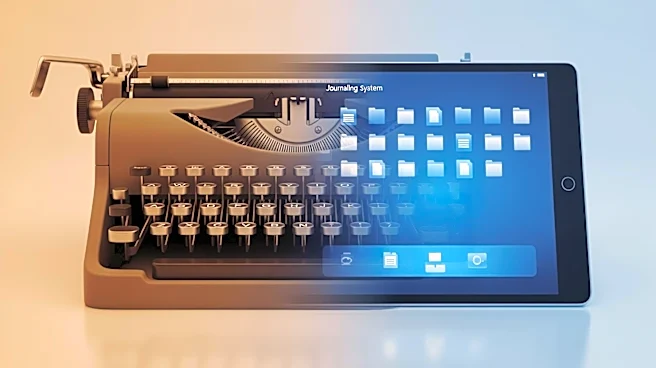







Journaling file systems have become a cornerstone of modern computing, providing a reliable way to maintain data integrity. This article traces the historical development of journaling file systems, highlighting key milestones and the impact of these systems on data management.
Early Beginnings and IBM's Contribution
The concept of journaling file systems was pioneered by IBM in 1990 with the introduction of the Journaled File System (JFS) in AIX 3.1. This marked the first commercial implementation
of a journaling file system in a UNIX environment. IBM's innovation laid the groundwork for future developments in file system technology, emphasizing the importance of data integrity and system reliability.
In 1991, the idea of journaling file systems gained further attention through a widely cited paper on log-structured file systems. This paper helped popularize the concept and encouraged other companies to explore similar technologies. The early 1990s were a period of significant innovation in file system design, driven by the need for more robust data management solutions.
Adoption by Major Operating Systems
Following IBM's lead, other major operating systems began to incorporate journaling file systems. In 1993, Microsoft introduced the NTFS file system in Windows NT, which included journaling capabilities. This was a significant step forward for Microsoft, as it provided a more reliable file system for enterprise environments.
Apple followed suit in 1998 with the introduction of HFS Plus, which also featured journaling capabilities. This development was crucial for Apple, as it enhanced the reliability of its file system and improved data integrity for its users. In 2001, Linux introduced the ext3 file system, further cementing the role of journaling file systems in modern computing.
The Impact of Journaling File Systems
The adoption of journaling file systems across major operating systems has had a profound impact on data management. These systems have significantly reduced the risk of data corruption and improved the speed of system recovery after crashes. By maintaining a log of changes, journaling file systems ensure that data structures remain consistent, even in the event of unexpected failures.
The evolution of journaling file systems reflects the growing importance of data integrity in the digital age. As technology continues to advance, the need for reliable and efficient data management solutions will only increase. Journaling file systems have set a high standard for data integrity, and their development has paved the way for future innovations in file system technology.