
Music therapy has emerged as a promising method for treating non-fluent aphasia, a condition that affects a person's ability to express language due to neurological damage. By leveraging the power of music,
therapists can help patients regain communication abilities and improve their quality of life. This article explores the techniques and benefits of music therapy for individuals with non-fluent aphasia.
Understanding Non-Fluent Aphasia
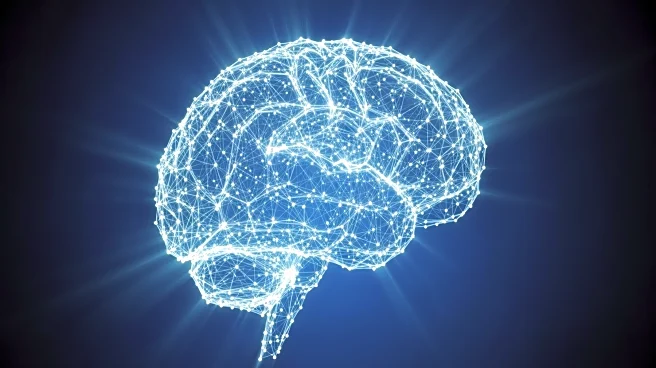
Non-fluent aphasia, also known as expressive aphasia, is a neurological disorder that impairs a person's ability to produce speech. It is often caused by stroke or lesions in Broca's area, a region in the left hemisphere responsible for speech production. Despite the loss of speech ability, patients with non-fluent aphasia often retain their ability to sing, as singing activates different brain regions.
Music therapy for non-fluent aphasia involves using melodic elements to stimulate the right hemisphere, which can compensate for the damaged left hemisphere. Techniques such as therapeutic singing, vocal intonation, and rhythmic speech cueing are employed to enhance communication skills and facilitate language recovery.
Techniques in Music Therapy
Therapeutic singing is a common method used in music therapy for non-fluent aphasia. Patients are guided to sing familiar songs, with therapists adjusting tempo, volume, and pitch to optimize the therapy process. This technique helps patients practice language production in a supportive environment, boosting their confidence and motivation.
Vocal intonation therapy, such as Melodic Intonation Therapy (MIT), encourages patients to exaggerate the intonation of daily phrases. By intoning phrases on different pitches, patients can practice communicating various meanings. Rhythmic speech cueing, which involves tapping or clapping to the rhythm of speech, further supports language recovery by engaging the right hemisphere.
Benefits and Challenges
Music therapy offers numerous benefits for patients with non-fluent aphasia. It can improve breathing and vocal ability, articulation, and prosody of speech. Additionally, music therapy boosts patients' confidence and reduces frustration, as they discover their preserved ability to sing and communicate.
Despite its advantages, music therapy for non-fluent aphasia presents challenges. The underlying mechanisms of music therapy remain unclear, and research results can be contradictory. Furthermore, sustaining the treatment's effectiveness over the long term requires ongoing practice and adaptation. Nonetheless, music therapy remains a valuable tool in helping patients with non-fluent aphasia regain communication abilities and improve their quality of life.