

Arbutin is a compound that has gained popularity in the cosmetic industry for its skin-lightening properties. Derived from hydroquinone, arbutin is found naturally in plants like bearberry. It is primarily used to address hyperpigmentation issues by inhibiting the activity of tyrosinase, an enzyme crucial for melanin synthesis. This article delves into how arbutin works as a skin-lightening agent and its applications in various cosmetic products.
Mechanism of Action
Arbutin functions by inhibiting tyrosinase, an enzyme necessary for melanin production in the skin. Melanin is the pigment responsible for skin color, and its overproduction can lead to conditions like solar lentigo, freckles, and melasma. By reducing tyrosinase activity, arbutin decreases melanin synthesis, resulting in a lighter skin tone and reduced appearance of hyperpigmentation. Although arbutin is not as potent as its stereoisomer, α-arbutin, it still plays a significant role in skin lightening.
In addition to inhibiting tyrosinase, arbutin may also act as a substrate for the enzyme. Tyrosinase catalyzes the conversion of tyrosine to l-DOPA and then to dopaquinone, which eventually leads to melanin formation. Arbutin's structural similarity to tyrosine might contribute to its ability to inhibit tyrosinase activity, further reducing melanin production.
Applications in Cosmetics
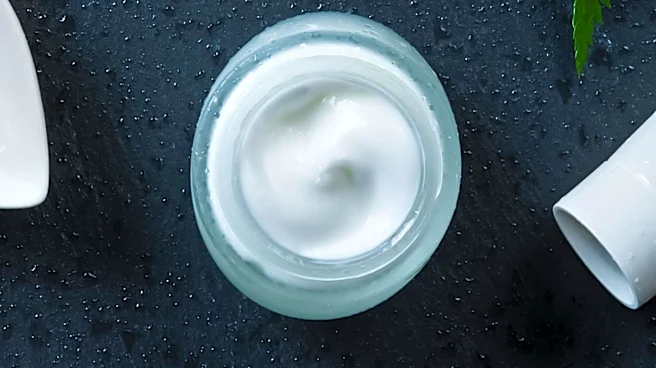
Arbutin is widely used in the cosmetic industry, incorporated into creams, serums, and lotions aimed at lightening skin tone and correcting hyperpigmentation. Its efficacy and safety profile make it a preferred ingredient for products targeting various forms of hyperpigmentation. The compound is particularly effective in treating solar lentigo, freckles, and melasma, providing a more even skin complexion.
Cosmetic products containing arbutin are designed for long-term use, offering a safer alternative to traditional skin-lightening agents like hydroquinone, which is banned in many countries due to safety concerns. Arbutin's ability to decrease tyrosinase activity and melanin content with minimal cytotoxicity makes it a valuable component in skin-lightening formulations.
Safety and Regulation
Arbutin is generally considered safe for topical application in cosmetic products. However, its usage concentrations are regulated in some regions. For instance, the European Union restricts arbutin concentrations to 7% in facial creams, ensuring that hydroquinone contamination remains below 1 ppm. This regulation highlights the importance of maintaining safety standards while utilizing arbutin's skin-lightening benefits.
Despite its safety profile, there are concerns about arbutin's potential cancer risks due to its structural similarity to hydroquinone. Some studies suggest that intestinal bacteria can convert arbutin into hydroquinone, which may create an environment favorable for intestinal cancer. Nonetheless, arbutin remains a popular choice in the cosmetic industry for its effectiveness in skin lightening.