


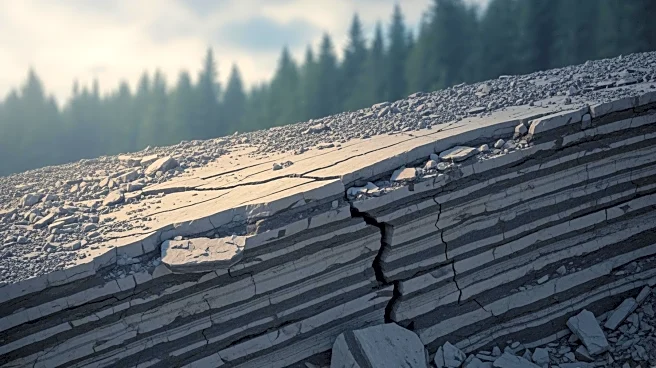
The Earth is home to some truly remarkable mountain chains, each with its own unique characteristics and significance. Among these, the mid-ocean ridge stands out as the longest mountain chain on the planet, stretching an impressive 65,000 kilometers. On land, the Andes hold the title of the longest continental mountain range, extending 7,000 kilometers along the western edge of South America. This article delves into these fascinating geological
features, exploring their lengths, locations, and the natural wonders they encompass.
The Mid-Ocean Ridge: Earth's Underwater Giant
The mid-ocean ridge is a continuous underwater mountain range that spans the globe, making it the longest mountain chain on Earth. Stretching 65,000 kilometers, it winds through the world's oceans, forming a vast network of underwater peaks and valleys. This ridge is a result of tectonic activity, where plates are pulling apart, allowing magma to rise and create new oceanic crust. The mid-ocean ridge is not only a geological marvel but also a crucial component of the Earth's tectonic system, playing a significant role in the movement of continents and the formation of ocean basins.
Despite being submerged, the mid-ocean ridge is a dynamic environment teeming with life. Hydrothermal vents along the ridge support unique ecosystems, with organisms that thrive in extreme conditions. These vents release mineral-rich water, providing nutrients for a variety of marine species. The mid-ocean ridge is a testament to the Earth's geological processes and the resilience of life in challenging environments.
The Andes: A Continental Marvel
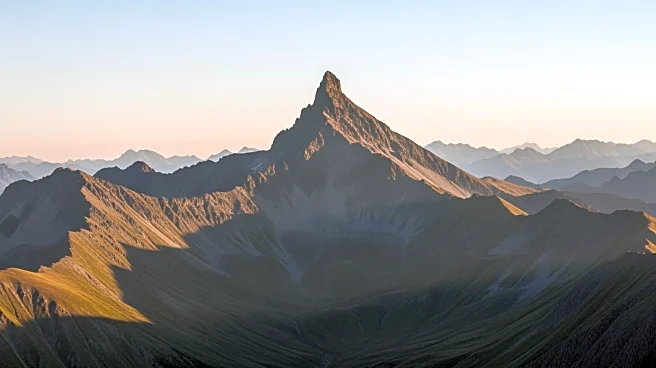
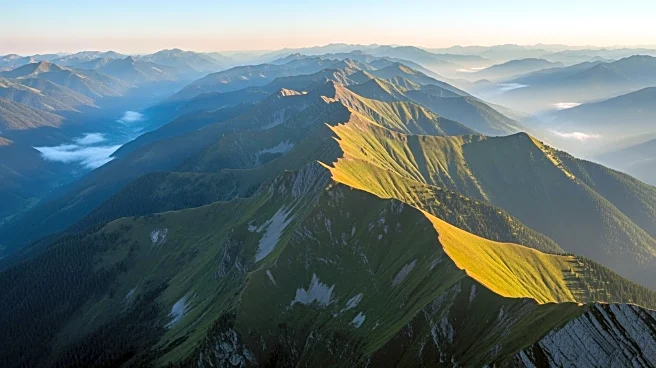
The Andes mountain range is the longest continental mountain range in the world, stretching approximately 7,000 kilometers along the western edge of South America. This majestic range traverses seven countries, including Argentina, Chile, Bolivia, Peru, Ecuador, Colombia, and Venezuela. The Andes are characterized by their towering peaks, with Aconcagua in Argentina being the highest at 6,961 meters above sea level.
The Andes are not only a geographical wonder but also a cultural and historical treasure. The range has been home to various indigenous civilizations, including the Incas, who built their empire in these rugged terrains. Today, the Andes continue to be a vital part of the cultural identity and economy of the region, with agriculture, mining, and tourism playing significant roles.
Other Notable Mountain Chains
Beyond the mid-ocean ridge and the Andes, the Earth boasts several other impressive mountain chains. The Alpine-Himalayan orogenic belt, for instance, stretches over 15,000 kilometers, encompassing the Himalayas and other significant ranges. This belt is a result of the collision between the Indian and Eurasian tectonic plates, leading to the formation of some of the world's highest peaks, including Mount Everest.
In Africa, the Great Escarpment extends for 5,000 kilometers, while the Rocky Mountains in North America span 4,830 kilometers. Each of these mountain chains has its own unique geological history and ecological significance, contributing to the diverse landscapes of our planet.
The world's mountain chains are not just physical features; they are dynamic systems that shape the Earth's surface and influence the climate, ecosystems, and human societies. From the depths of the oceans to the heights of the Andes, these mountain chains are a testament to the Earth's geological complexity and beauty.