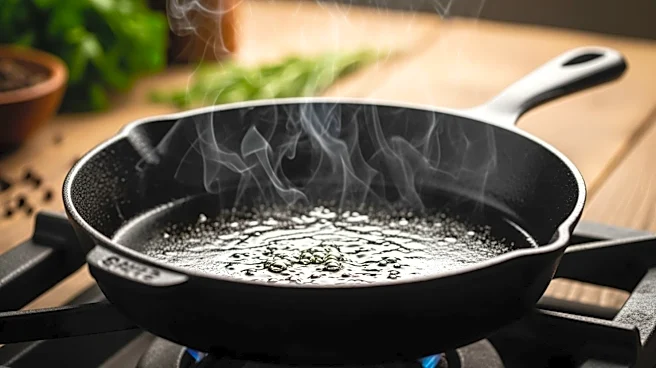






Pan frying is more than just a cooking technique; it is a culinary tradition that has been passed down through generations. This method of cooking is cherished for its ability to enhance the natural flavors of food while preserving its moisture. From family gatherings to professional kitchens, pan frying holds a special place in the hearts of many.
Cultural Significance of Pan Frying
Pan frying is a technique that is deeply rooted in various cultures around the world. It is a method
that allows cooks to prepare meals quickly and efficiently, making it ideal for busy households. The simplicity of pan frying, requiring only a pan and a small amount of oil, makes it accessible to everyone, regardless of culinary skill level.
In many cultures, pan frying is associated with comfort food. Dishes like fried chicken, pork chops, and fish fillets are staples in home cooking, often evoking memories of family meals and gatherings. The technique's ability to produce a crispy exterior while keeping the interior moist and tender is a hallmark of these beloved dishes.
Pan Frying in Professional Kitchens
While pan frying is a common technique in home kitchens, it is also widely used in professional settings. Chefs appreciate the control and precision that pan frying offers, allowing them to achieve the perfect balance of texture and flavor. The method is versatile, accommodating a wide range of ingredients and culinary styles.
In professional kitchens, pan frying is often used to prepare dishes that require a delicate touch. The technique allows chefs to sear meats and seafood to perfection, creating a flavorful crust while preserving the juiciness of the interior. This skill is essential for creating dishes that are both visually appealing and delicious.
The Evolution of Pan Frying
Over time, pan frying has evolved to incorporate new techniques and equipment. Modern innovations, such as electric skillets with thermostats, have made it easier to maintain consistent temperatures, ensuring even cooking. These advancements have expanded the possibilities of pan frying, allowing cooks to experiment with different ingredients and flavors.
Despite these changes, the core principles of pan frying remain the same. The technique continues to be valued for its ability to produce flavorful, satisfying meals with minimal effort. As a culinary tradition, pan frying endures, adapting to new trends while preserving its timeless appeal.