







Game of Thrones, the acclaimed HBO series, is renowned for its complex narrative and rich thematic content. Throughout its eight-season run, the show explored various themes and employed symbolism to enhance its storytelling. This article delves into the themes and symbolism present in Game of Thrones, examining their significance and impact on the series.
Power and Politics: The Struggle for the Iron Throne
One of the central themes of Game of Thrones is the struggle for power and the political intrigue
surrounding the Iron Throne. The series portrays the lengths to which characters will go to gain control, highlighting the corrupting influence of power. The noble families of Westeros engage in a web of political conflicts, each vying for dominance and independence.
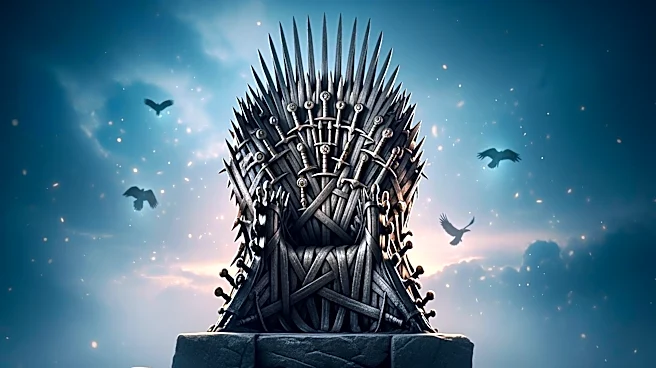
The Iron Throne itself serves as a powerful symbol of authority and ambition. It represents the ultimate prize in the game of politics, driving characters to betray, manipulate, and even kill to claim it. The throne's imposing design, made from the swords of vanquished enemies, underscores the violent nature of the quest for power. Through its depiction of political machinations, Game of Thrones offers a commentary on the complexities and moral ambiguities of leadership.
Good vs. Evil: A Battle Beyond Black and White
Game of Thrones challenges the traditional fantasy trope of a clear-cut battle between good and evil. Instead, the series presents a nuanced exploration of morality, where characters are often driven by self-interest and personal motivations. The show blurs the lines between hero and villain, allowing viewers to see events from multiple perspectives.
The series' portrayal of political leaders is particularly noteworthy, as they are often depicted negatively, prioritizing their own agendas over the well-being of the common people. Characters like Daenerys Targaryen, Jon Snow, and Tyrion Lannister, while showing concern for the populace, are not immune to criticism for their methods and decisions. Game of Thrones invites viewers to question the nature of good and evil, emphasizing the complexity of human behavior and the potential for redemption.
Redemption and Transformation: The Journey of Characters
Another significant theme in Game of Thrones is the concept of redemption and transformation. Throughout the series, characters undergo profound changes, often as a result of their experiences and choices. This theme is exemplified by characters like Jaime Lannister, who evolves from a morally ambiguous figure to one seeking redemption for past actions.
The series also explores the idea of identity and self-discovery, as characters grapple with their roles and destinies. Arya Stark's journey from a young girl to a skilled assassin reflects her transformation and quest for vengeance. Similarly, Jon Snow's evolution from a bastard son to a leader highlights his struggle with identity and purpose. Game of Thrones uses these character arcs to underscore the potential for growth and change, even in the face of adversity.
In conclusion, Game of Thrones' themes and symbolism contribute to its depth and complexity, offering viewers a thought-provoking exploration of power, morality, and transformation. The series' ability to challenge conventions and provoke discussion is a testament to its enduring impact on storytelling.