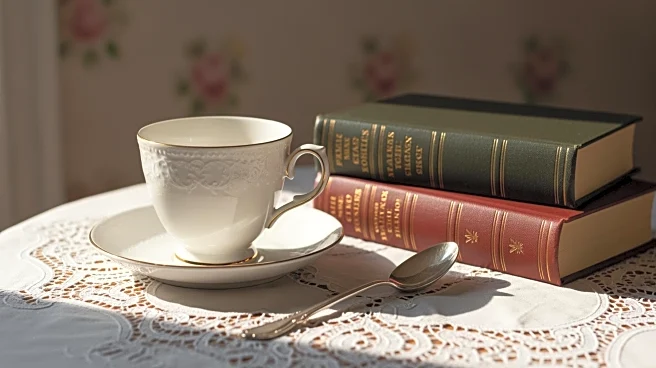




Tea, a staple beverage in British culture, is more than just a drink; it is a social ritual that reflects class distinctions and traditions. From the aristocracy to the working class, tea has played a significant role in shaping social interactions and customs. This article delves into the social dynamics of tea in Britain, highlighting its impact on class and tradition.
Tea and the Aristocracy
The custom of afternoon tea first spread among the British aristocracy, becoming
a fashionable social gathering. Anna Russell, the Duchess of Bedford, is often credited with popularizing afternoon tea in the 1830s or 1840s. She found herself hungry between the midday and evening meals and requested tea and snacks to be sent to her room. This personal habit soon turned into a social event, with the duchess inviting friends to join her.
Afternoon tea receptions were considered the least formal and most enjoyable of all entertainments given at home. They were arranged with short notice, allowing for pleasant conversation and socializing. Tea gowns, loose-fitting garments worn during afternoon teas, provided a reprieve from the uncomfortable corsets of the 19th century, reflecting the leisurely nature of these gatherings.
Tea and the Working Class
While afternoon tea became popular among the upper and middle classes, the working class adopted a different meal called "high tea." High tea was a heartier meal, typically eaten between 5:00 and 7:00 PM, and included savory dishes, cakes, bread, butter, and jam, all accompanied by tea. The name "high tea" originates from the practice of serving the meal at a high table.
High tea emerged due to changes in working habits, providing a substantial meal after a long working day. It was a practical solution for the working class, offering nourishment and refreshment. The timing and content of high tea reflect the social and economic realities of the working class, contrasting with the more refined afternoon tea of the aristocracy.
Contemporary Tea Traditions
Today, tea continues to hold cultural significance in Britain, with afternoon tea occupying a dual position. On one hand, it is sometimes considered an outdated tradition; on the other hand, it remains an important part of the country's gastronomic identity. Major hotels compete for the annual Afternoon Tea Awards, showcasing the enduring legacy of tea culture.
Tea traditions have also spread to other countries, with Canada and Australia embracing afternoon tea ceremonies. Despite its evolution, tea remains a symbol of social interaction and class distinction, reflecting the rich history and traditions of British culture.