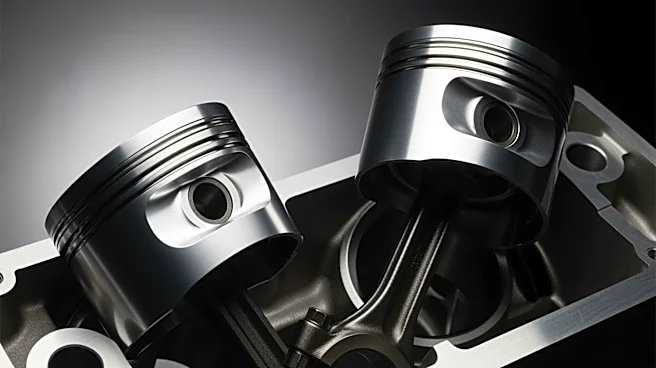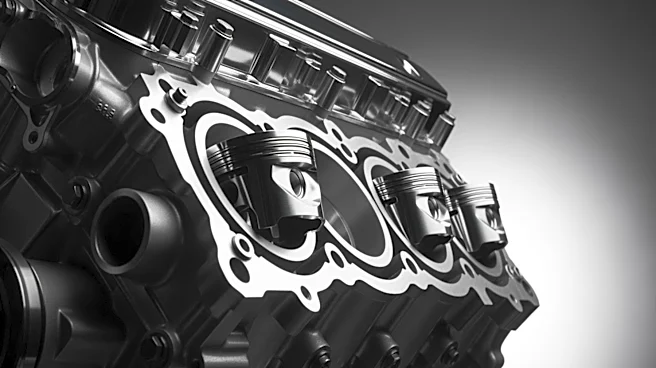




The V8 engine, a staple in automotive engineering, has undergone significant transformations since its inception. Known for its power and efficiency, the V8 engine has been a favorite among car enthusiasts and manufacturers alike. This article delves into the historical development of the V8 engine, highlighting key milestones and technological advancements that have shaped its evolution.
Early Beginnings
The journey of the V8 engine began in the early 20th century.
The first known V8 was the Antoinette 8V, designed by Léon Levavasseur in 1904. This engine was initially used in speedboat racing and later adapted for cars and airplanes. Around the same time, Renault and Buchet began small-scale production of V8 engines for race cars, marking the beginning of the V8's association with high-performance vehicles.
In 1907, the Curtiss V-8 motorcycle set an unofficial land-speed record, showcasing the engine's potential for speed and power. The early designs of V8 engines were characterized by their innovative configurations, which laid the groundwork for future developments.
Technological Advancements
As the automotive industry evolved, so did the V8 engine. The introduction of the Liberty L-8 aircraft engine in 1917, with a V-angle of 45 degrees, demonstrated the versatility of the V8 design. Most V8 engines adopted a 90-degree V-angle, which provided good engine balance and reduced vibrations, although it resulted in a wider engine.
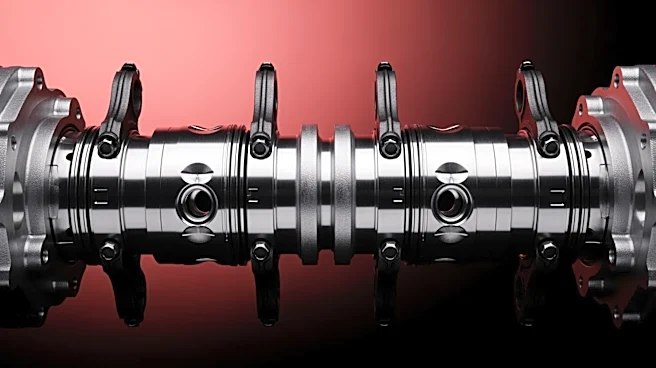
The development of the cross-plane crankshaft was a significant advancement, offering perfect primary and secondary balance, which minimized vibrations. This configuration became standard in road cars, contributing to the distinctive rumbling exhaust sound associated with V8 engines.
Modern Innovations
In the late 20th and early 21st centuries, V8 engines continued to evolve with the introduction of flat-plane crankshafts, which offered lighter weight and even exhaust gas pulses. This design was popularized in racing cars, such as the Ferrari V8 models and the Cosworth DFV engine used in Formula One.
The displacement of modern V8 engines typically ranges from 3.5 to 6.4 liters, with variations in size and layout to suit different vehicle designs. Despite a decline in use due to the rise of fuel-efficient engines and hybrid technologies, the V8 remains a symbol of power and performance in the automotive world.